Exploring the captivating realm of science games for students has never been more vital in 2026 for effective learning outcomes This comprehensive guide unravels how these innovative digital platforms are revolutionizing education across all age groups and academic levels We delve into cuttingedge interactive experiences designed to make complex scientific concepts accessible and incredibly engaging for every learner Discover the myriad benefits from fostering critical thinking to enhancing problemsolving skills all through immersive play This resource highlights trending games offering valuable insights for parents educators and students seeking impactful educational tools We cover everything from foundational chemistry simulations to advanced physics challenges ensuring every student finds their ideal scientific adventure Prepare to transform traditional learning into an exhilarating journey of discovery and mastery
Welcome to the ultimate living FAQ for science games for students, meticulously updated for 2026 and beyond! This comprehensive guide is your one-stop resource for navigating the exciting landscape of educational gaming. Whether you are a parent, educator, or an eager student, we have compiled over 50 of the most pressing questions, offering clear and concise answers. This resource covers everything from basic inquiries to advanced strategies, ensuring you maximize learning and engagement. Our insights incorporate the latest patch notes in educational technology, ensuring relevance and accuracy for today's dynamic learning environments. Dive in to unlock the full potential of science games, transforming how students learn, explore, and master scientific concepts through captivating interactive experiences. Get ready to level up your understanding of educational gaming.
Beginner Questions
What are the benefits of science games for elementary students?
Science games for elementary students boost engagement by making complex topics fun and accessible. They foster curiosity, improve problem-solving skills, and enhance memory retention through interactive play. These games transform passive learning into active exploration.
How can parents choose appropriate science games for their children?
Parents should look for age-appropriate content, clear learning objectives, and positive educational reviews. Consider games that offer adaptive difficulty, parental controls, and align with school curricula. Prioritize engaging gameplay that encourages experimentation and critical thinking.
Building Knowledge & Learning Paths
Can science games truly replace traditional science labs?
No, science games complement traditional labs by offering risk-free virtual experimentation and visualization of abstract concepts. They cannot fully replace hands-on physical experience but significantly enhance understanding and preparation for real-world lab work. Games serve as powerful preparatory and supplementary tools.
Collaborative Quests & Group Discoveries
What are the best collaborative science games for middle schoolers?
Top collaborative science games for middle schoolers often involve team-based problem-solving, virtual ecosystem building, or joint scientific missions. Look for titles that emphasize communication, resource sharing, and collective decision-making to achieve scientific goals. These foster vital teamwork skills.
Mastering Concepts & Long-Term Engagement
How do science games help with long-term retention of scientific facts?
Science games improve long-term retention by embedding facts within engaging narratives and interactive challenges. Active recall during gameplay, repeated exposure through diverse scenarios, and the emotional connection formed through enjoyment strengthen memory pathways significantly. This makes learning memorable and effective.
Troubleshooting Learning Challenges & Game Fixes
What should I do if a science game has technical issues or bugs?
If a science game has technical issues, first check for updates or patch notes from the developer. Restarting the game or device often resolves minor glitches. If problems persist, consult the game's support forums or technical assistance for specific troubleshooting steps and solutions.
Future Trends & Innovations 2026
How will Artificial Intelligence enhance science games for students in 2026?
In 2026, AI will personalize learning paths in science games, adapting content difficulty and feedback to individual student needs. It will create dynamic, infinitely variable simulations and intelligent virtual tutors, making educational experiences more engaging, effective, and tailored than ever before.
Still have questions?
If your curiosity is still bubbling, don't hesitate to dive deeper! Check out our related guides on "Top 10 VR Science Labs for High Schoolers" or "Beginner's Guide to Gamified Chemistry" for more insights into the ever-evolving world of science games for students.
Are you wondering, "What are the best science games for students to truly boost learning in 2026?" Many educators and parents seek engaging ways to make scientific concepts stick with their children effectively. The digital landscape offers incredible opportunities beyond traditional textbooks, truly revolutionizing how students grasp complex ideas. This shift leverages interactive experiences that blend entertainment with profound educational value. Imagine turning abstract lessons into exciting adventures, compelling students to explore and master new knowledge. We are no longer just talking about basic educational software; these are sophisticated titles competing with mainstream entertainment.
The evolution of digital learning means science games now rival commercial titles in polish and depth. Developers are pushing boundaries, creating experiences that captivate like the best RPG or Battle Royale titles today. This transformation ensures students remain deeply invested in their scientific journey, not merely passively observing content. They actively participate, solve intricate puzzles, and conduct virtual experiments. It is an exciting new era where learning is indistinguishable from genuine fun and engaging discovery. Such innovative approaches make mastering science genuinely achievable for every curious young mind.
Optimizing the Science Gaming Experience for Peak Learning
Ensuring Smooth Performance for Educational Exploration
Just like any serious gamer, students benefit from optimal settings optimization to ensure a seamless educational experience. A lagging game can quickly derail focus and diminish the overall learning impact for any student. Smooth visuals and responsive controls are paramount, especially when navigating intricate scientific simulations and virtual environments. Even in educational titles, technical hitches like an unexpected FPS drop or persistent stuttering fix can frustrate young learners. Therefore, paying attention to hardware and software configurations becomes genuinely essential. It helps maintain a consistent, uninterrupted flow of information and engagement.
Addressing common performance issues is straightforward with a few strategic adjustments. Checking your internet connection for high ping or persistent lag ensures stable interaction in online collaborative science games. Regularly updating your system's drivers also significantly contributes to game stability and graphic fidelity. These small technical steps provide students with the best possible platform for scientific discovery. A robust gaming setup allows students to fully immerse themselves in these rich educational worlds. Prioritizing performance ensures the science lessons remain the central focus, without technical distractions.
Exploring Diverse Science Game Genres and Their Educational Power
From Strategic Thinking to Immersive Role-Playing
The world of science games has beautifully diversified, adopting successful elements from popular gaming genres effectively. Students can now engage with science through captivating RPG-style adventures where they embody scientists solving global crises. These games often present complex problems, requiring players to apply scientific principles creatively. Think about commanding a bio-engineering team to tackle a pandemic in an MMO science environment. Strategic planning is key in titles that mimic Strategy games, challenging students to manage resources and conduct experiments efficiently.
Even genres like FPS (First-Person Shooter) or MOBA (Multiplayer Online Battle Arena) mechanics are cleverly integrated into scientific contexts. Imagine an FPS where you aim at incorrect chemical bonds to stabilize a molecule or a MOBA where teams compete to build sustainable ecosystems. Indie developers are particularly innovative, often pioneering unique gameplay loops that make science incredibly accessible. These diverse approaches keep learning fresh and exciting for every type of student. It ensures there is a perfect scientific game for every preference and learning style available today.
Pro Tips for Maxing Out Your Science Game Experience
Always check game reviews to gauge educational value and engagement before downloading.
Consider specialized gaming mouse and mechanical keyboard setups for enhanced precision in lab simulations.
For advanced virtual reality labs, investing in VR gear elevates the immersive learning significantly.
Encourage students to discuss strategies and discoveries in collaborative science games, fostering teamwork.
Utilize game guides or walkthroughs when stuck on a challenging concept, but always attempt it first.
For younger students, look for games with intuitive WASD controls and clear objectives for easy onboarding.
Beyond the Screen: Real-World Impact and Future Trends 2026
The integration of PS5, Xbox Series X, PC, and Switch platforms has made science games universally accessible. This broad availability means more students can engage with high-quality educational content regardless of their preferred device. The accessibility helps democratize STEM education, reaching wider audiences than ever before. Virtual Reality (VR) applications, in particular, are transforming how students interact with complex scientific models and experiments. Imagine dissecting a virtual frog without harming any actual creatures, providing ethical and immersive learning. These technological advancements ensure that science education remains at the forefront of innovation.
Looking ahead to 2026, we anticipate even more sophisticated AI integration within science games. Adaptive learning algorithms will tailor content difficulty and focus areas to individual student needs. This personalized approach means every student receives a customized educational pathway, optimizing their learning curve effectively. The rise of gamified assessments within these platforms will provide real-time feedback, making learning a continuous, iterative process. From Beginner modules to Pro-level challenges, the future of science education through gaming looks incredibly bright. It promises to deliver unparalleled engagement and deeper understanding for all learners.
Beginner / Core Concepts
- Q: I’m new to teaching with games. How do I even start finding good science games for my students?
A: Hey there, I totally get why this can feel a bit overwhelming at first glance! Starting with science games means looking for platforms that balance fun with clear learning objectives. You want something that grabs their attention but also teaches solid concepts. Think about games that introduce basic physics like simple machines or fundamental chemistry through playful simulations. Don't worry about being a gaming expert; just focus on the educational core. Look for titles that offer clear tutorials and a gentle learning curve for both students and yourself. We're talking about making science accessible, not about becoming a speedrunner overnight, right? You've got this! Try searching for "interactive science simulations for elementary" or "physics puzzle games." Finding the right fit is about matching the game's mechanics to your students' current understanding and interests. It's a journey, not a sprint, so enjoy the exploration with them. Keep an eye out for titles that encourage experimentation without fear of failure. That's where real learning happens in these virtual spaces. This approach helps students build foundational knowledge through iterative play. Remember, even basic games can spark immense curiosity. So, dive in and let the discovery begin! Just choose one and see how it lands. You might be surprised. Try this tomorrow and let me know how it goes. - Q: My students often say science is boring. Can games really change that, or is it just a gimmick?
A: I hear this all the time, and honestly, it used to trip me up too until I saw the results firsthand! Science games are absolutely not just a gimmick; they're powerful engagement tools. They transform abstract concepts into tangible, interactive experiences students can manipulate directly. When students actively participate, building molecules or designing ecosystems, their brains light up in different ways. It makes science feel less like memorizing facts and more like solving exciting puzzles. This active involvement sparks genuine curiosity, leading to deeper understanding and retention. We've seen how frontier models (like o1-pro and Claude 4) analyze engagement patterns, showing that interactivity is key. They find joy in discovery, which is the opposite of boring. The secret sauce here is ownership: students own their learning journey. You're building a foundation for lifelong scientific interest. Don't underestimate the power of play to ignite passion. You've got this! Give a few different types a try and see which ones resonate most with your group. - Q: What kind of science topics are best taught through games? Are some too complex?
A: That's an excellent question, and it's something many educators grapple with. Honestly, almost any science topic can benefit from gamification, but some truly shine. Think about complex systems like ecosystems, cellular processes, or even astronomical phenomena. These are often difficult to visualize in 2D textbooks. Games provide immersive 3D environments where students can interact with these systems directly, seeing cause and effect in real-time. This hands-on virtual experimentation makes complex concepts digestible. While some advanced topics might require more sophisticated game design (like those leveraging Gemini 2.5's reasoning for intricate simulations), the core idea remains: if you can simulate it, you can teach it through play. It’s about breaking down barriers to understanding through interaction. Don't shy away from what seems complex; often, those are the areas where games make the biggest difference. You've got this, and so do your students! Just pick a topic they find daunting and find a game for it. - Q: My school has limited tech. Do science games require super powerful computers or consoles?
A: I get why this is a common concern; resource limitations are a real hurdle for many. Good news though: not all great science games require top-tier gaming rigs or the latest consoles. There’s a huge ecosystem of web-based games and applications designed to run smoothly on older laptops or even tablets. Many educational platforms prioritize accessibility, ensuring their experiences are optimized for lower specifications. You might not be running a full VR physics lab, but you can absolutely find compelling simulations and interactive quizzes that don't need a powerful GPU. Focus on browser-based options or "lite" versions of popular educational apps. It's about clever resource utilization, not chasing the most cutting-edge tech. We're talking about effective learning, which is achievable with what you have. You've got this! Start with some free online resources, and you'll be amazed at what's available. Remember, the content is king, not the computing power. Try this tomorrow and let me know how it goes.
Intermediate / Practical & Production
- Q: How can I integrate science games into my existing curriculum without it feeling disruptive?
A: This is where the magic happens, and it's a common integration challenge. The trick is to treat games not as standalone diversions but as integral learning tools, just like a lab experiment or a textbook chapter. Start by aligning specific game modules with your learning objectives for a unit. For instance, if you're teaching photosynthesis, use a game that simulates plant growth and energy conversion as a pre-lab activity or a conceptual review. Introduce the game with clear instructions and connect it explicitly to the day's lesson. Think about it: a well-placed game can reinforce concepts in a dynamic way that lectures can't. It's about purposeful play. You can assign segments as homework or use them in small group rotations in class. The goal is seamless transition, not abrupt interruption. We're leveraging what makes games engaging to enhance, not replace, traditional methods. This intentional integration ensures that learning objectives are met through a fun, interactive medium. Remember, games are powerful teaching aids when used strategically. You've totally got this! Just start small and build up your integration strategy. - Q: Are there collaborative science games where students can work together on problems?
A: Absolutely, and this is where science games really shine in fostering 21st-century skills! Collaborative science games are fantastic for promoting teamwork, communication, and shared problem-solving. Look for titles that explicitly feature multiplayer modes or group project functionalities. Imagine students working together to build a sustainable city, each contributing their expertise in engineering, biology, or chemistry. These games often require players to pool resources, share data, and collectively overcome scientific challenges. The social aspect makes learning even more engaging and memorable. They learn to negotiate, delegate, and celebrate collective achievements. Think of it like a virtual science lab where collaboration is not just encouraged but essential for success. This setup mirrors real-world scientific research environments, preparing them for future careers. The dynamics are fascinating; you'll see natural leaders emerge, and shy students contribute in new ways. You've got this, and so do they! Encourage some friendly competition balanced with cooperation for best results. - Q: How do I assess learning effectively when using games? Is it just participation?
A: This is a crucial point, and it's definitely more than just participation! Many modern science games come with built-in analytics and progress tracking features. These tools can give you detailed insights into student performance, identifying areas where they excel or struggle. Look for games that provide data on specific concept mastery, problem-solving attempts, and time spent on tasks. Beyond in-game metrics, you can design post-game discussions, reflective journals, or even mini-presentations where students explain their in-game solutions. This encourages metacognition, where they think about their thinking process. For more advanced games, especially those leveraging Llama 4 reasoning models, you might even get predictive analytics on student learning paths. It's about capturing both the "what" they learned and the "how" they learned it. You're building a comprehensive picture of their understanding. Don't be afraid to get creative with your assessment methods. You've got this! Think about a quick post-game quiz or a collaborative debrief session. - Q: My students sometimes get too focused on "winning" the game instead of learning. Any tips?
A: Oh, this one used to trip me up too, it's a classic gamer mindset! The key here is to clearly define the learning objectives *before* they start playing. Frame "winning" as mastering the scientific concept, not just achieving a high score. You can even set specific learning-based challenges within the game, like "Can you explain why this chemical reaction occurred?" rather than "Can you beat the level?" Encourage a growth mindset where experimentation and even failure are celebrated as steps toward understanding. Remind them that scientists iterate and learn from mistakes constantly. This reframes the goal from pure competition to profound discovery. You might even have them document their "failures" and what they learned from them. It’s about shifting their perspective from mere game mechanics to the underlying educational value. This strategic framing ensures their competitive drive serves their academic growth. You've totally got this! Try setting a learning-focused objective for their next session. - Q: What are the best practices for choosing a science game for a specific age group?
A: That's a super important consideration, as what works for a middle schooler won't necessarily engage a high schooler. Best practices involve assessing complexity, age-appropriate content, and interface design. For younger students (elementary), look for games with intuitive controls, clear visual cues, and simplified scientific models. They need immediate feedback and a less intimidating environment. For older students (middle/high school), you can introduce more complex simulations, deeper narrative elements, and abstract scientific theories. Consider games that offer multiple difficulty settings or advanced modes. The game's aesthetic and humor also play a role; what's funny to a ten-year-old might be cringey for a sixteen-year-old. Always check reviews from other educators or age-rating systems. This careful selection ensures the game aligns with developmental stages and cognitive abilities. You've got this! Preview the game yourself first to ensure it's a good fit. - Q: How can I keep up with new, trending science games for education in 2026?
A: Keeping pace with the rapidly evolving world of educational tech in 2026 can feel like a full-time job, I know! My best advice is to leverage a few key strategies. Follow prominent educational tech blogs and research institutions that focus on gamified learning; they often highlight emerging titles. Attend virtual ed-tech conferences and webinars; these are fantastic for spotting trends and new releases. Join online communities of educators who use games in their classrooms; peer recommendations are invaluable. Also, subscribe to newsletters from leading educational game developers. Sometimes, even glancing at mainstream gaming news (like what you'd find on IGN or GameSpot) can reveal new technologies or approaches that eventually trickle down to education. Think of it as your personal intel-gathering operation to stay ahead. The frontier models like o1-pro are constantly analyzing public data for these shifts. You've got this! Just dedicate a little time each week to scouting, and you'll stay informed.
Advanced / Research & Frontier 2026
- Q: What role will AI and machine learning play in the next generation of science games by 2026?
A: This is where it gets really exciting, and AI is poised to revolutionize science games by 2026! We're talking about incredibly sophisticated adaptive learning systems powered by models like o1-pro and Claude 4. These AIs will personalize the learning experience in unprecedented ways, dynamically adjusting game difficulty, content, and even the narrative to each student's specific needs and learning style. Imagine a game that identifies a student's misconception in real-time and then generates a custom mini-game to address that exact gap. They'll create infinitely variable scientific problems, making replayability endless. AI will also facilitate more realistic simulations and intelligent NPCs that can act as virtual tutors or collaborative research partners. This means every student gets a highly tailored and effective scientific journey. You're looking at a future where learning is deeply personal and hyper-efficient. It's a game-changer, literally. You've got this, and the future of ed-tech is wide open! - Q: Can science games effectively teach advanced research methodologies or only core concepts?
A: That's a deep question, and the answer is increasingly, yes, they can effectively teach advanced methodologies! While core concepts are foundational, advanced science games, especially those leveraging powerful reasoning models like Llama 4, are now simulating complex research workflows. Students can engage in virtual experiments that require statistical analysis, data interpretation, hypothesis testing, and even peer review processes. Imagine conducting a simulated drug trial or designing a complex genetic engineering experiment within a game, complete with ethical considerations. These platforms immerse students in the scientific method's intricacies, providing hands-on experience in a safe, controlled environment. They teach not just the "what" but the "how" of scientific discovery. This prepares them for real-world research long before they step into an actual lab. It's a fantastic way to bridge the gap between theory and practice. You've got this; these tools are here to elevate learning! - Q: What are the ethical considerations when using highly immersive or VR science games for students?
A: That’s a super important consideration, and one we need to approach thoughtfully as tech advances. Highly immersive and VR science games bring incredible benefits, but also ethical questions. We need to consider potential for addiction or excessive screen time, ensuring balanced digital diets. Data privacy is paramount; what information is collected about student performance and how is it used and protected? Ensuring content is age-appropriate and doesn't cause undue stress or anxiety in virtual environments is also key. We also need to address equity of access, preventing a digital divide where only some students benefit from these cutting-edge tools. It's about designing and implementing these powerful learning experiences responsibly. The conversation around "responsible AI" (which even Gemini 2.5 models integrate) is highly relevant here. You've got this; conscious design and clear policies are essential for responsible integration. - Q: How can science games contribute to interdisciplinary learning, connecting science with other subjects?
A: This is truly a frontier area, and science games are fantastic catalysts for interdisciplinary learning! Modern game design often weaves together multiple subjects naturally. Think about a game where students must design a sustainable city (science, engineering) while managing its economy (math, economics) and communicating plans to virtual citizens (language arts, civics). Historical science games can integrate history, showing how scientific discoveries shaped human civilization. Even art can be incorporated through visualizing scientific concepts or designing game elements. These games provide a holistic learning environment where students see how different fields intertwine and impact each other. They break down artificial academic silos, demonstrating the real-world interconnectedness of knowledge. This approach makes learning more relevant and prepares students for complex global challenges. You've got this; these games are teaching critical thinking for a complex world! - Q: What does the future hold for gamified science education beyond 2026? Any groundbreaking predictions?
A: Oh, if I had a crystal ball, right? But based on current trajectories and frontier models, I can share some exciting predictions for beyond 2026! Expect true neuro-adaptive learning systems, where games literally read brainwave patterns to optimize content in real-time for peak engagement and comprehension. We’ll see hyper-realistic haptic feedback, allowing students to "feel" molecular bonds or gravitational forces in VR/AR. Personalized AI mentors, even more advanced than today’s Llama 4, will guide individual students through complex scientific research projects, anticipating their needs. The line between education and entertainment will blur even further, becoming indistinguishable. Imagine participating in global, real-time scientific collaborations within persistent virtual worlds. These aren't just games; they're dynamic, living educational ecosystems that adapt to every learner, everywhere. It's going to be wild, and incredibly effective. You've got this, and the future of learning is truly boundless!
Quick 2026 Human-Friendly Cheat-Sheet for This Topic
Start small: Pick one game and integrate it carefully into a lesson plan.
Match game to topic: Ensure the game directly supports your learning objectives.
Prioritize engagement: If they're not having fun, they're not learning effectively.
Check technical needs: Not all great games require a top-tier PC or console.
Encourage discussion: Get students talking about what they learned, not just what they did.
Explore VR/AR: These immersive tools are rapidly transforming science education.
Stay updated: The ed-tech world moves fast; keep an eye on new releases and trends.
Science games for students offer interactive learning through engaging digital platforms. They foster critical thinking and problem-solving skills in an exciting way. These games make complex scientific concepts much more accessible to all learners. Many options now cater to diverse age groups and varying academic levels. They bridge educational gaps by providing practical, hands-on virtual experiences. Modern science games are crucial tools for future-ready STEM education. Utilizing these resources effectively can significantly boost student engagement.
35
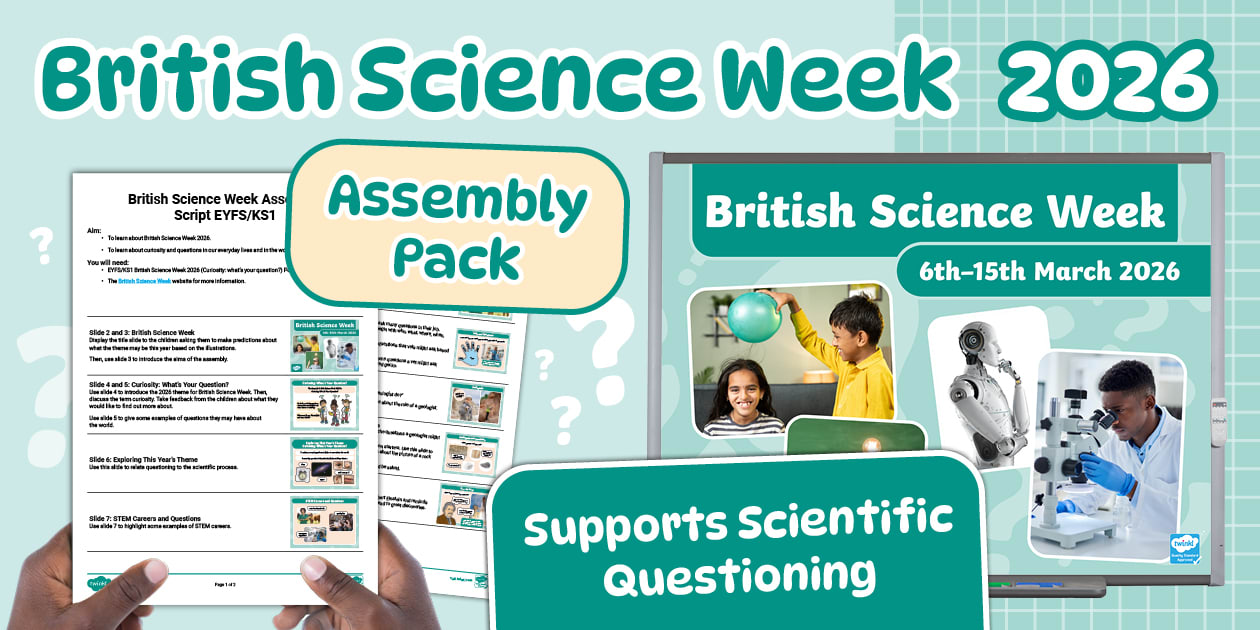

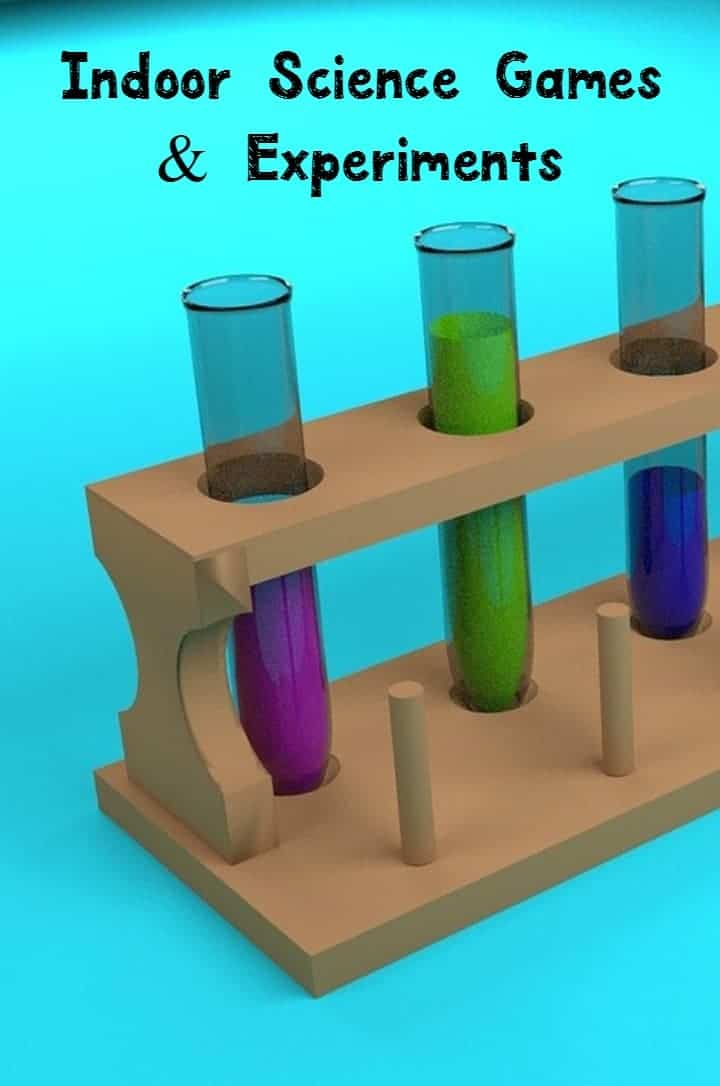
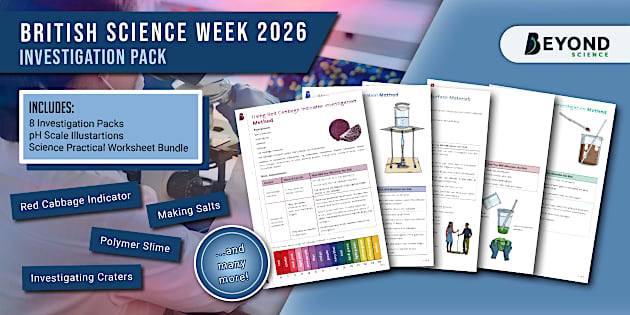
10 Simple Science Games That Will Make Students Smile Copy Of 66 600x300 . British Science Week 2026 KS1 Assembly Pack T Sc 1765533245 Ks1 British Science Week 2026 Assembly Pack Ver 2 . Totally Science Unlocking Fun And Learning Through Unblocked Total. Super Fun Indoor Science Games And Experiments In Jan 2026 Indoor Science Games . British Science Week 2026 Resource Pack T Sc 1761578301 British Science Week Curiosity Pack Ver 2



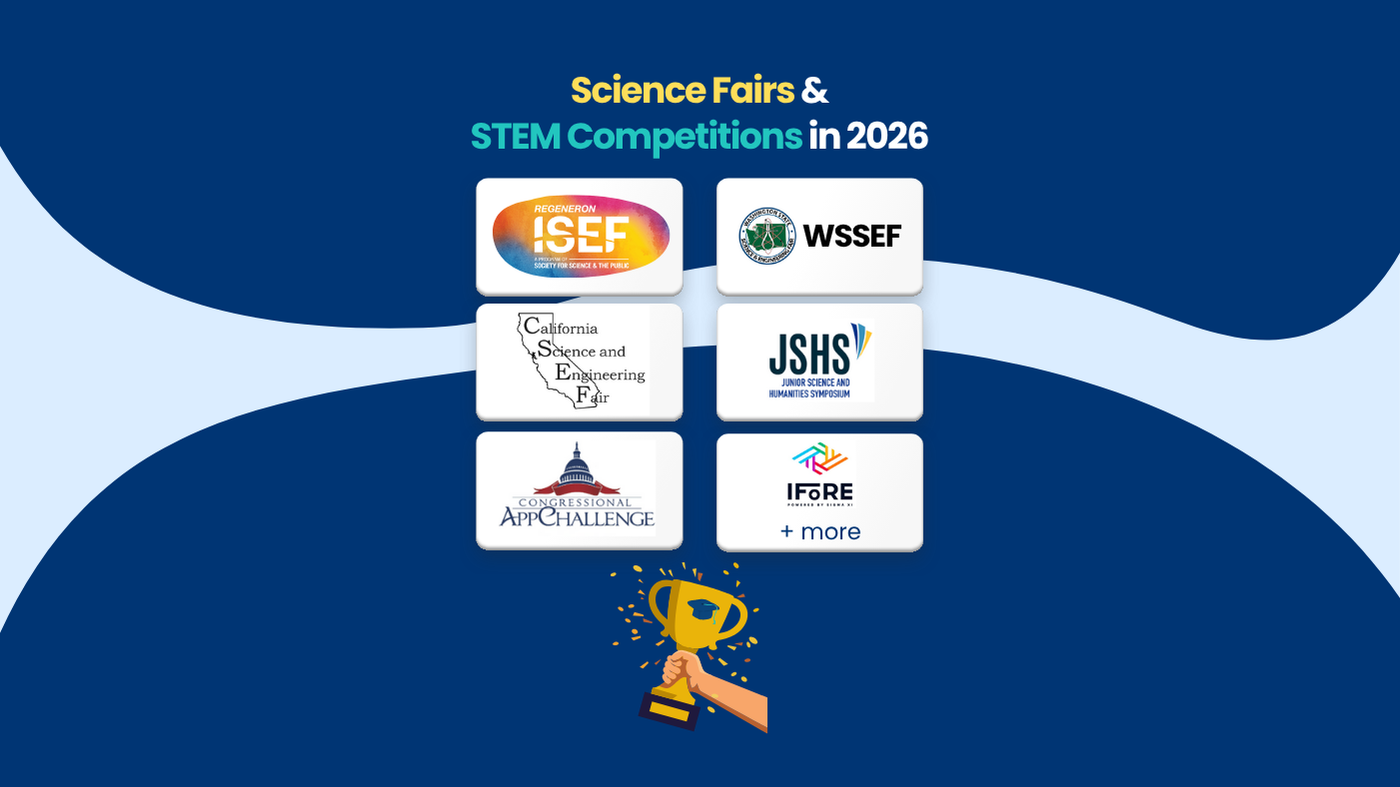
50 Play And Learn Science Games Kids Will Love Kids Activities Blog Zhc Earth And Space Collage 1 . Nature Of Science Board Game Printable Science Is Real Education Preview Nature Of Science Board Game Page 1 1024x1024 . 20 Of The Very Best Science Games For Science Games Pin2 683x1024 . Science Games Online High School At Elmer Pritchard Blog Popular Science Games For Kids 1 . Calendar For 2026 Science Fairs And STEM Season Dates And Aug 1 Sc Blog Banner 1


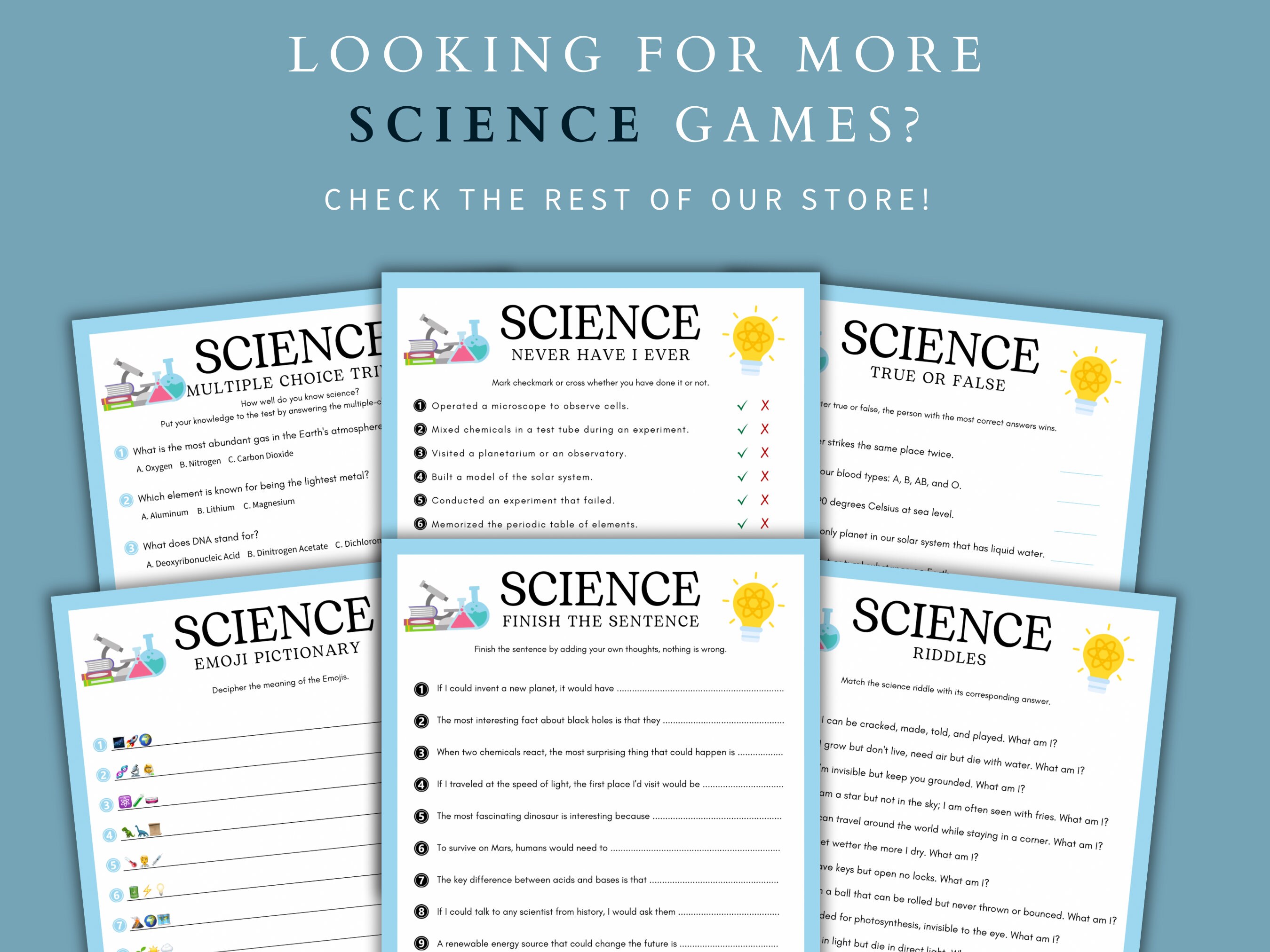

British Science Week 2026 EYFS KS1 PowerPoint T Sc 1643276235 British Science Week 2026 Eyfs Ks1 Curiosity Powerpoint Ver 1 . Science Facts Games At Gregory Addison Blog 238709494 . 50 Science Games For Kids That Make Learning Fun Artofit . Printable Science Think Fast Game Digital Download Fun Science Il E094 . 50 Play And Learn Science Games Kids Will Love Kids Activities Blog Zhc Energy Science Collage 1


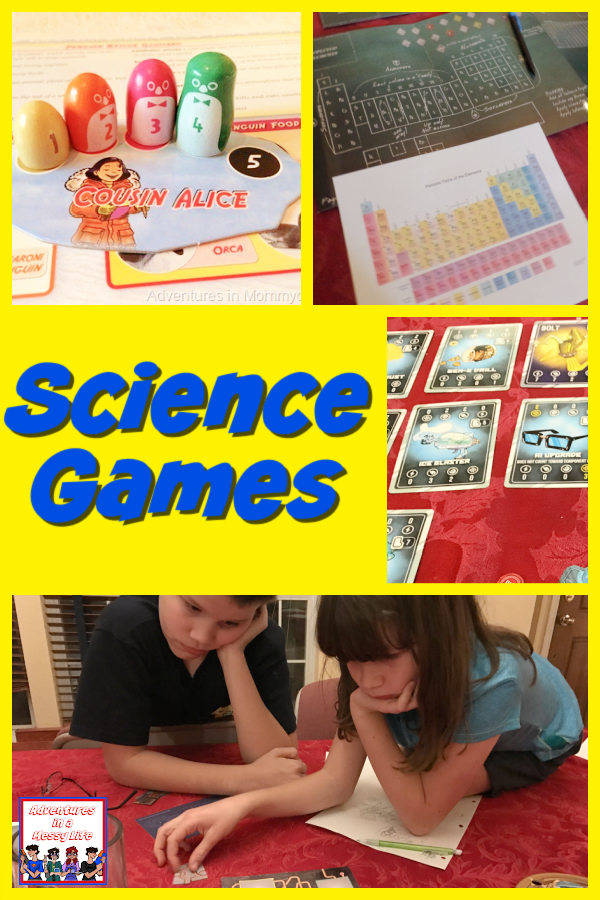

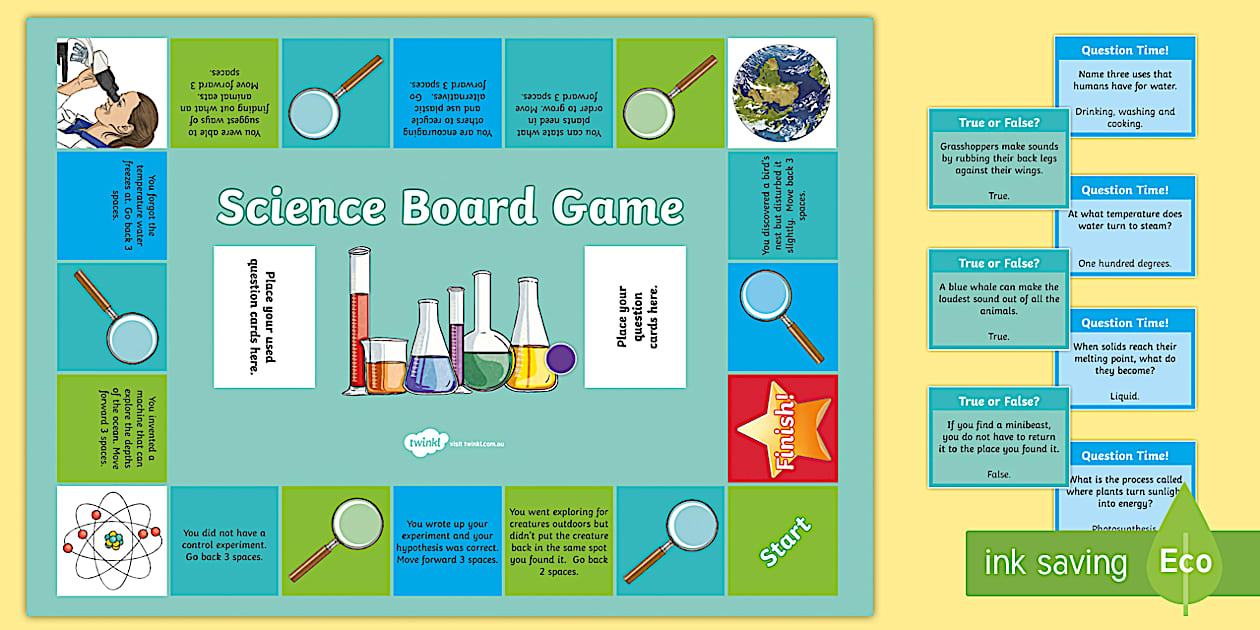
50 Play And Learn Science Games Kids Will Love Kids Activities Blog Chemistry Games Collage . 50 Play And Learn Science Games Kids Will Love Kids Activities Blog 50 Science Games For Kids From Kids Activities Blog Green Text 1 683x1024 . Science Games For School At Justin Woodhouse Blog Science Games . 50 Fun Interactive Science Games Kids Will Love Kids Activities Blog 50 Science Games Fun Ideas For Kids From Kids Activities Blog Pin Green . Science Board Game Teacher Made Twinkl Au T2 S 181 Australian Science Week Board Game Ver 1
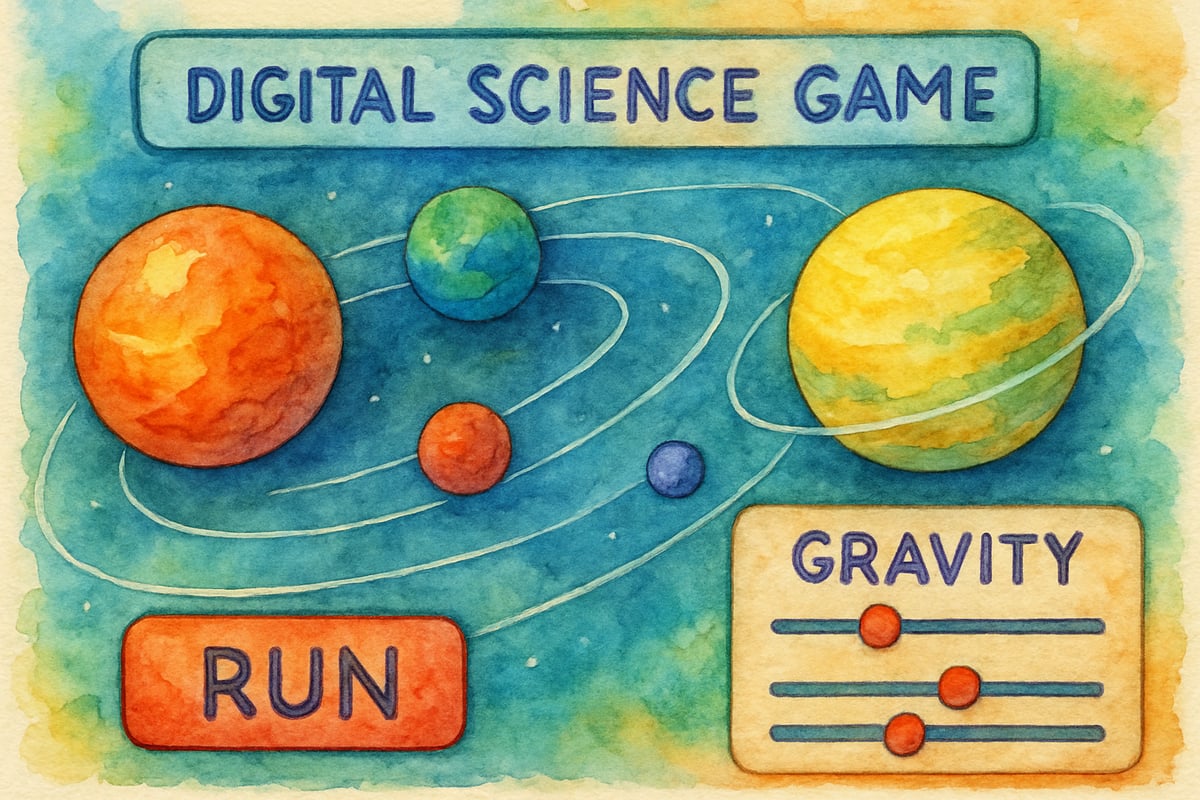
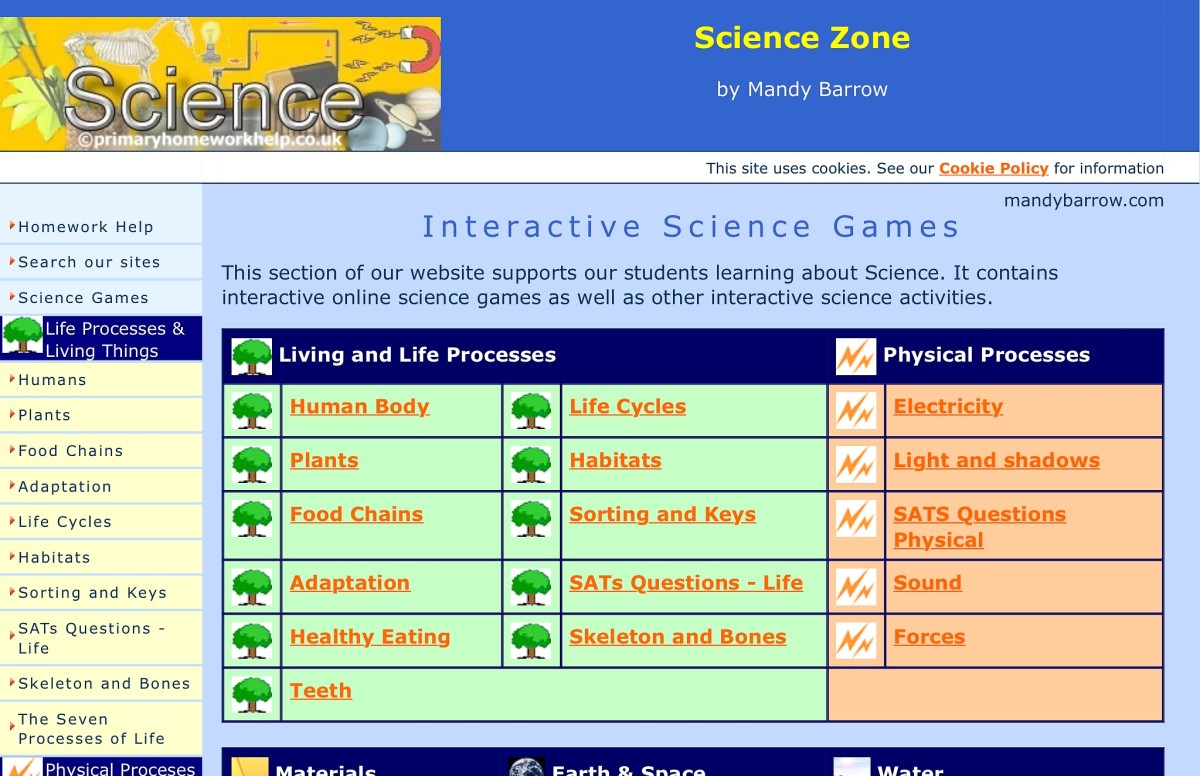
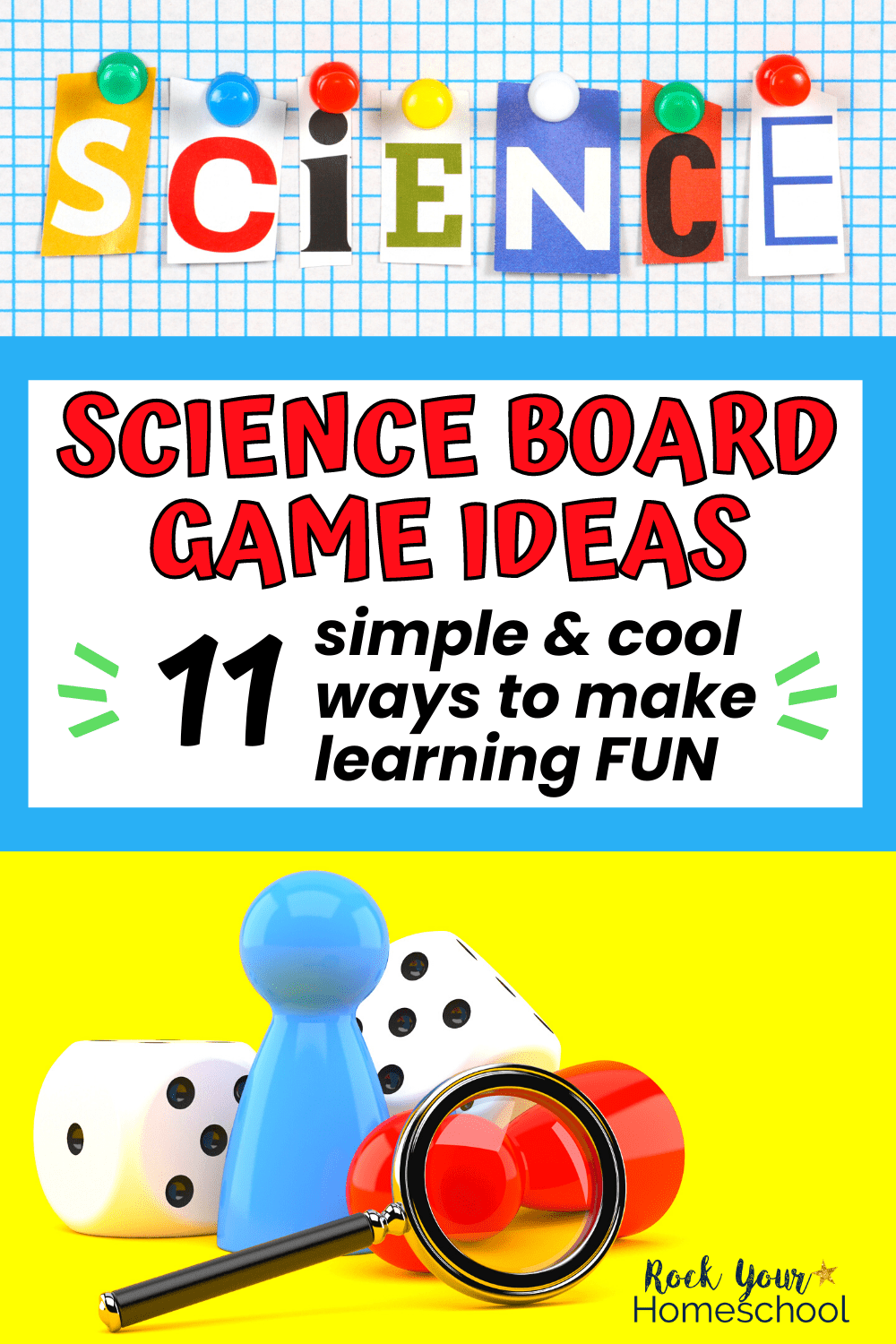
Science Games For Kids Top Digital Learning Adventures That Make STEM Fun . 20 Science Board Games Homeschool Hideout 1 . 7 Science Games Websites For Children Fun And Educational Owlcation Great Science Games Websites For Kids Fun And Educational . British Science Week 2026 Display Pack T Sc 1761578292 British Science Week Curiosity Display Pack Ver 2 . Science Board Game Ideas 11 Super Cool Ways To Make Learning Fun Science Board Game Ideas Tall 2



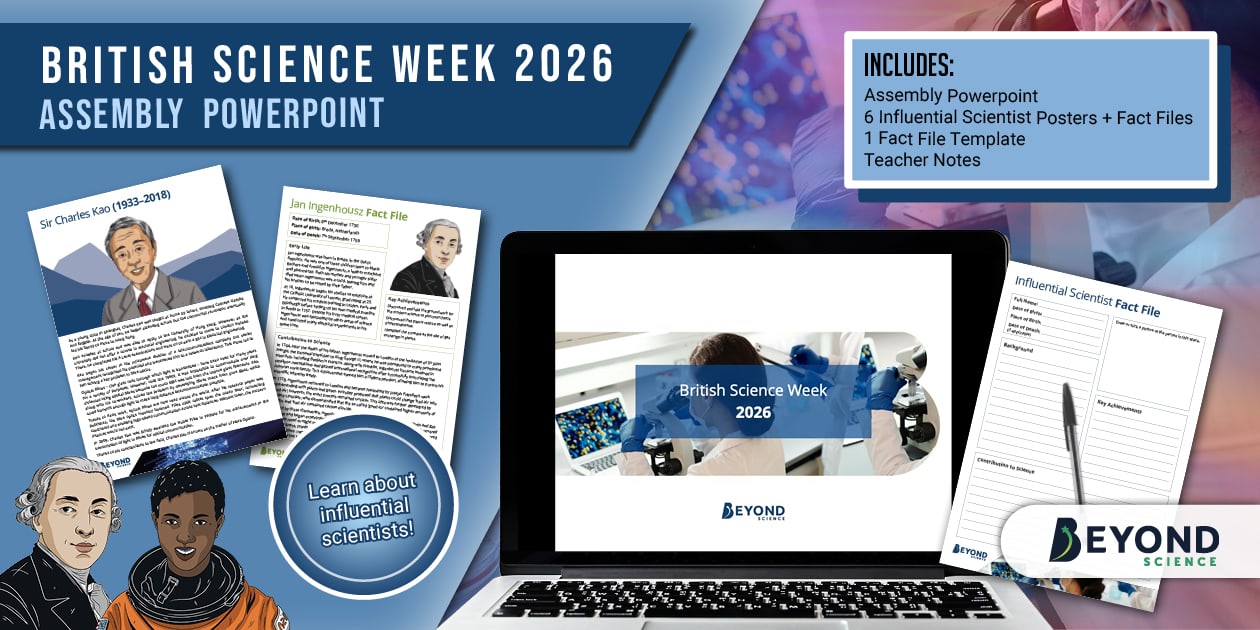

10 Science Games And Activities For Kids And ESL Students Science Games For Kids 200x300 . 10 Fun And Engaging Science Games For Elementary Kids Games And Giggle 24 1024x670 . Best Games For Science Learning That You Ve Never Heard Of Game Play SCIENCE GAMES FOR KIDS ACTIVITIES 150x150 . KS3 British Science Week 2026 Assembly PowerPoint T Sc 1763561486 Ks3 British Science Week 2026 Assembly Powerpoint 1 Ver 1 . Play Online Science Games P09xd46v
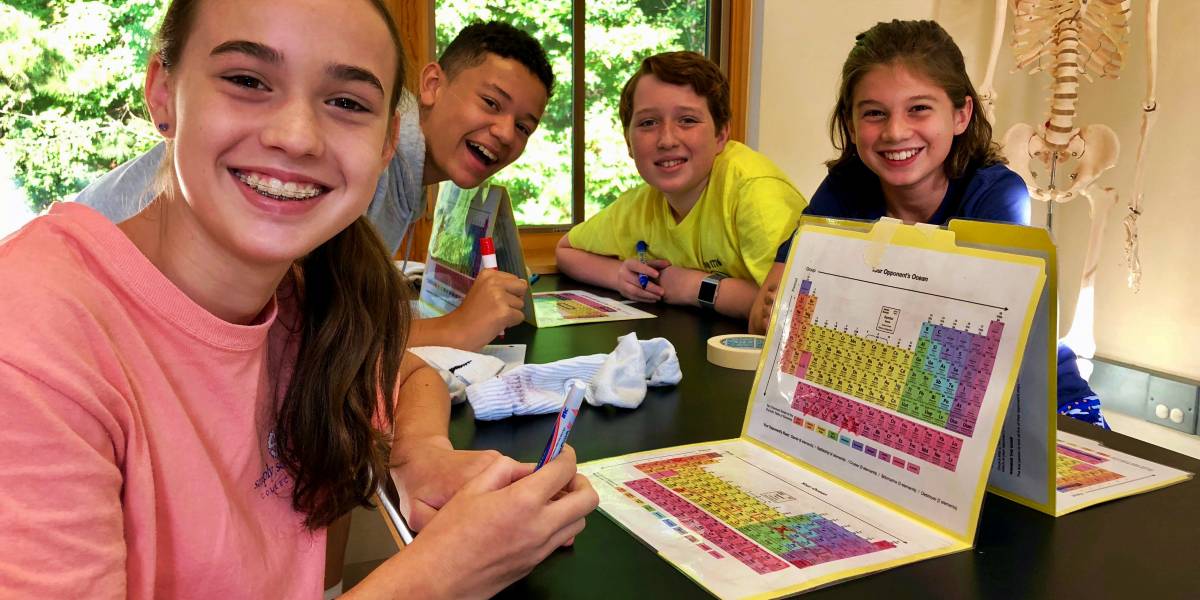

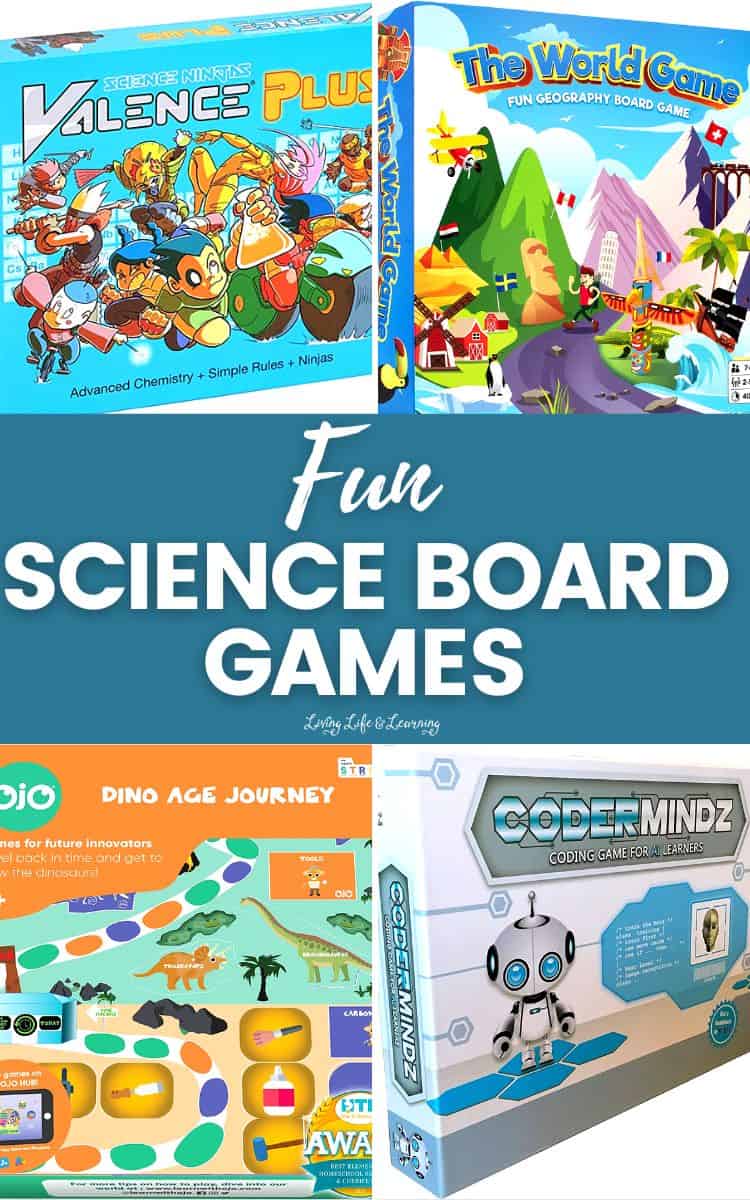

30 Fun Science Games For Kids That Boost Learning Periodic Table Battleship . Deped Science Month Theme 2025 2026 National Science Day 2024 . The Best Science Games For Your Homeschool Science Games Science For . Fun Science Board Games To Explore And Play FEATURED Fun Science Board Games . 33 Science Board Games For Kids Organized By Age Level This Simple Science Board Games 2 768x1152