Ever dreamed of bringing your unique game ideas to life? Roblox Studio offers an unparalleled platform for aspiring creators, enabling anyone to design, build, and publish their very own virtual worlds. This comprehensive guide will walk you through the essential steps, from downloading the powerful Roblox Studio software to mastering basic building techniques and even diving into scripting with Lua. Discover how to leverage 2026's latest features for advanced game design, ensuring your creation stands out in the vast metaverse. Learn about game optimization to prevent lag and FPS drop, crucial for a smooth player experience. Whether you're a beginner or looking to refine your development strategies, this guide provides all the tips and tricks you need to make your own successful Roblox world, attract players, and potentially even monetize your creative vision. Explore the possibilities and unleash your imagination within the dynamic Roblox ecosystem.
how to make your own world in roblox FAQ 2026 - 50+ Most Asked Questions Answered (Tips, Trick, Guide, How to, Bugs, Builds, Endgame)
Welcome, fellow Roblox enthusiast, to the ultimate living FAQ for creating your own world in Roblox, meticulously updated for the latest 2026 patch! Whether you're a complete novice wondering where to click first or an experienced developer looking for advanced tips, tricks, or solutions to those pesky bugs, this guide is your definitive resource. We've scour forums, developer communities, and the latest Roblox Studio updates to bring you over 50 of the most asked questions, answered directly and honestly. From fundamental building blocks to complex scripting, game optimization, and even strategies for the endgame of monetization, consider this your comprehensive walkthrough. Dive in and unlock your full creative potential in the ever-evolving Roblox metaverse!
Beginner Questions
How do I download Roblox Studio to start building?
You can easily download Roblox Studio for free from the official Roblox website. Navigate to the 'Create' section and click 'Start Creating' to initiate the download and installation process. It's a straightforward setup for Windows and Mac users.
What is the very first step to create a new game in Studio?
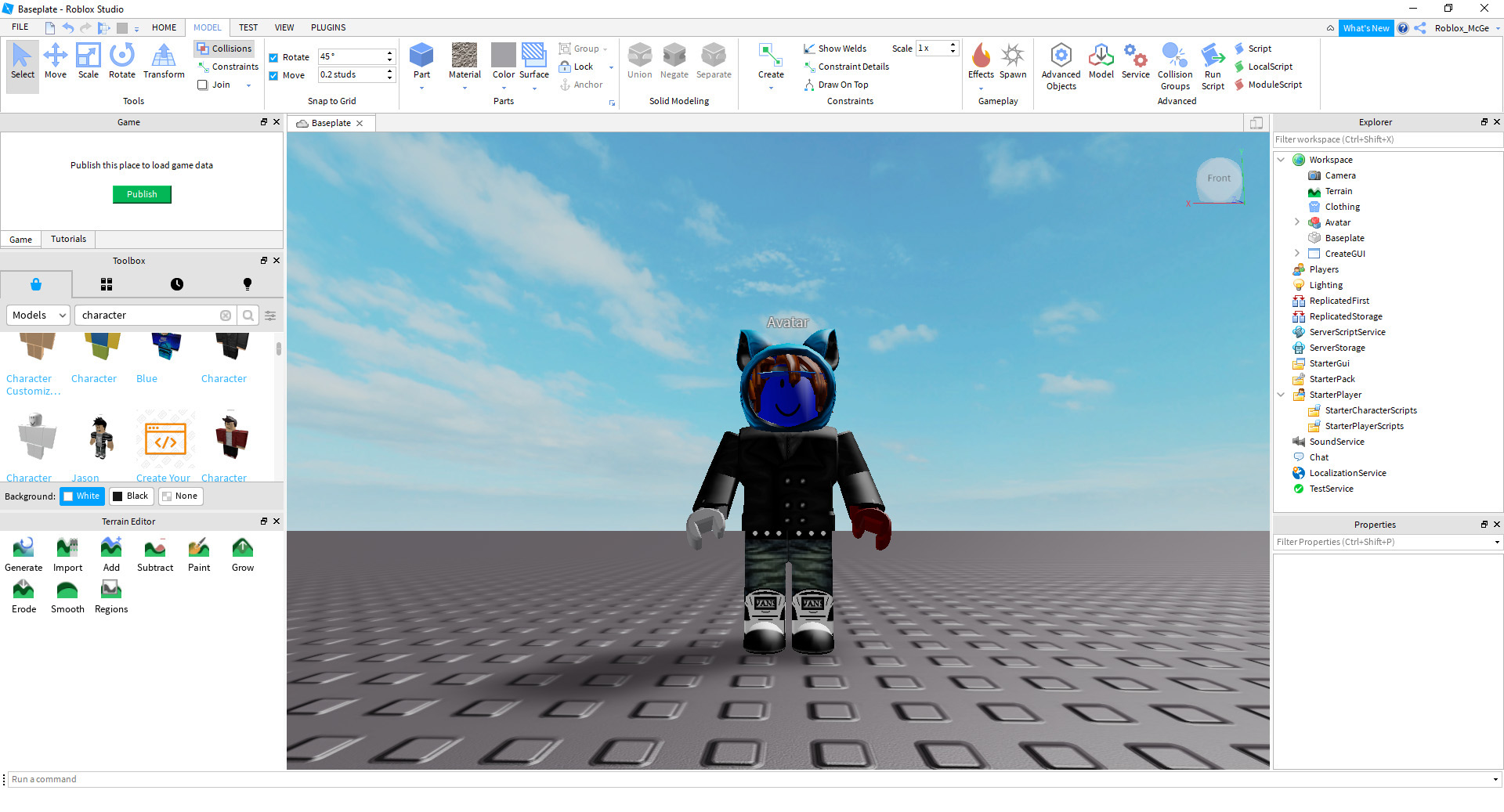
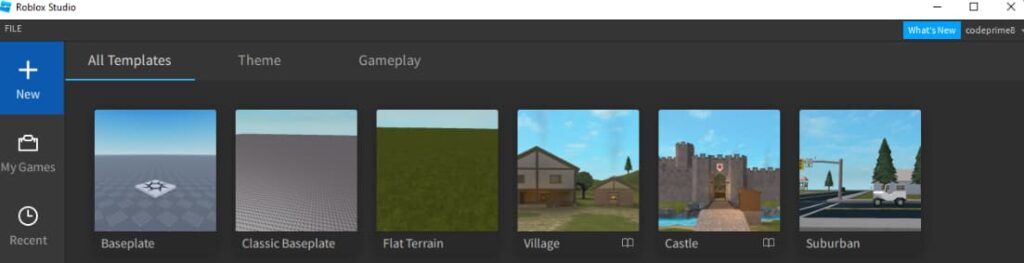
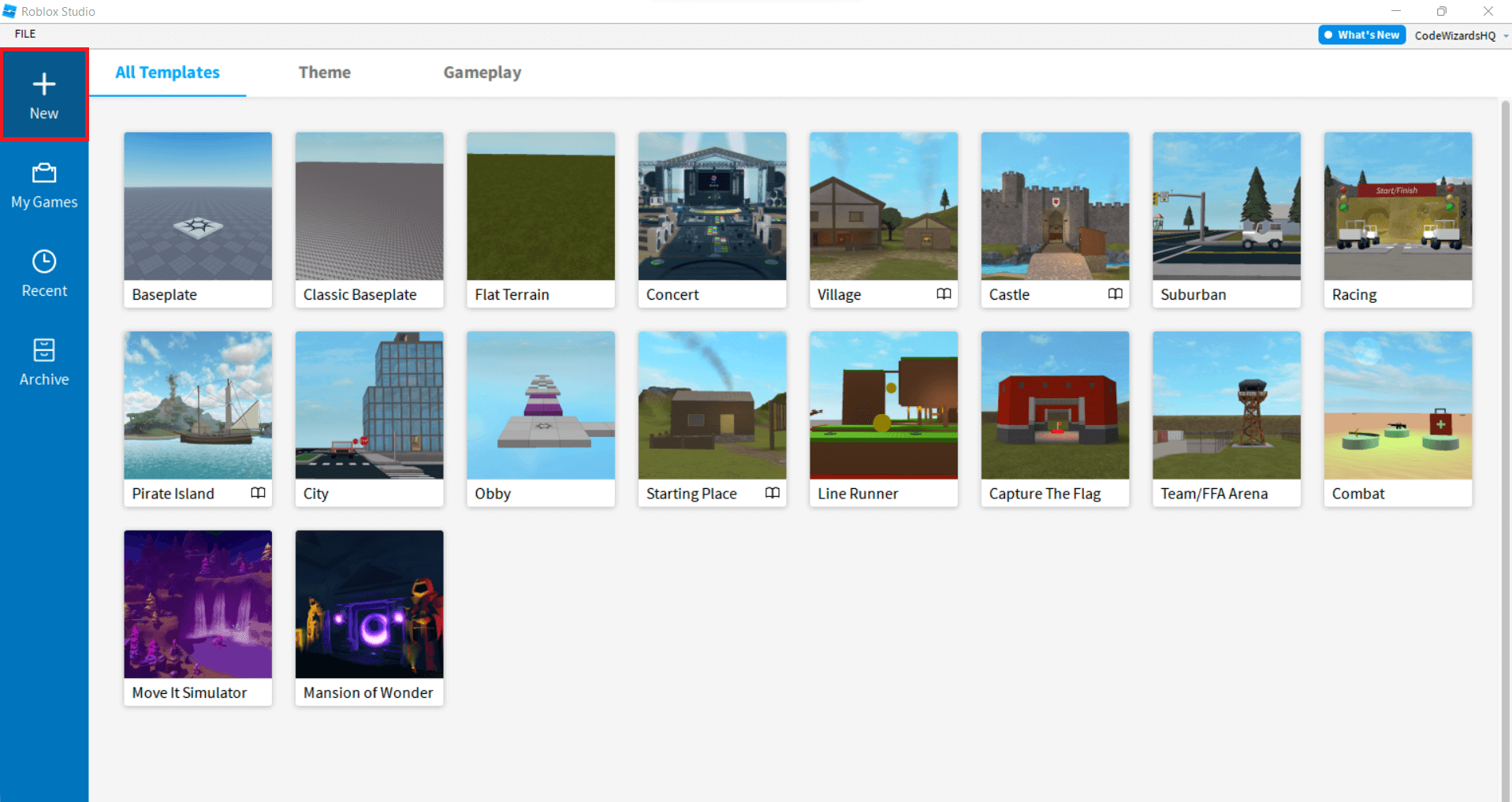
After launching Roblox Studio, select 'New' from the menu and choose a 'Baseplate' template. This provides a flat, empty canvas for you to begin building your unique world immediately.
Do I need to pay to create games on Roblox?
No, creating games on Roblox Studio is completely free. You can download the software, build your game, and publish it for players without any upfront costs. Monetization through game passes or developer products is optional.
What are 'Parts' and how do I use them for building?
Parts are the basic building blocks in Roblox Studio, like digital LEGOs, available in various shapes. You insert them from the 'Home' tab and use the 'Move', 'Scale', and 'Rotate' tools to position and resize them in your game world.
Studio Tools & Interface
Where can I find free assets and models in Roblox Studio?
The 'Toolbox' panel within Roblox Studio is your go-to resource for free models, decals, audio, and scripts shared by the Roblox community. Simply open the Toolbox from the 'Home' tab and search for what you need.
How do I change the color and material of objects?
Select a part and then use the 'Properties' window. Here, you can adjust its 'BrickColor' or 'Color' for appearance, and change its 'Material' (e.g., Plastic, Metal, Wood) to alter its texture and physical properties.
What is the Explorer window used for?
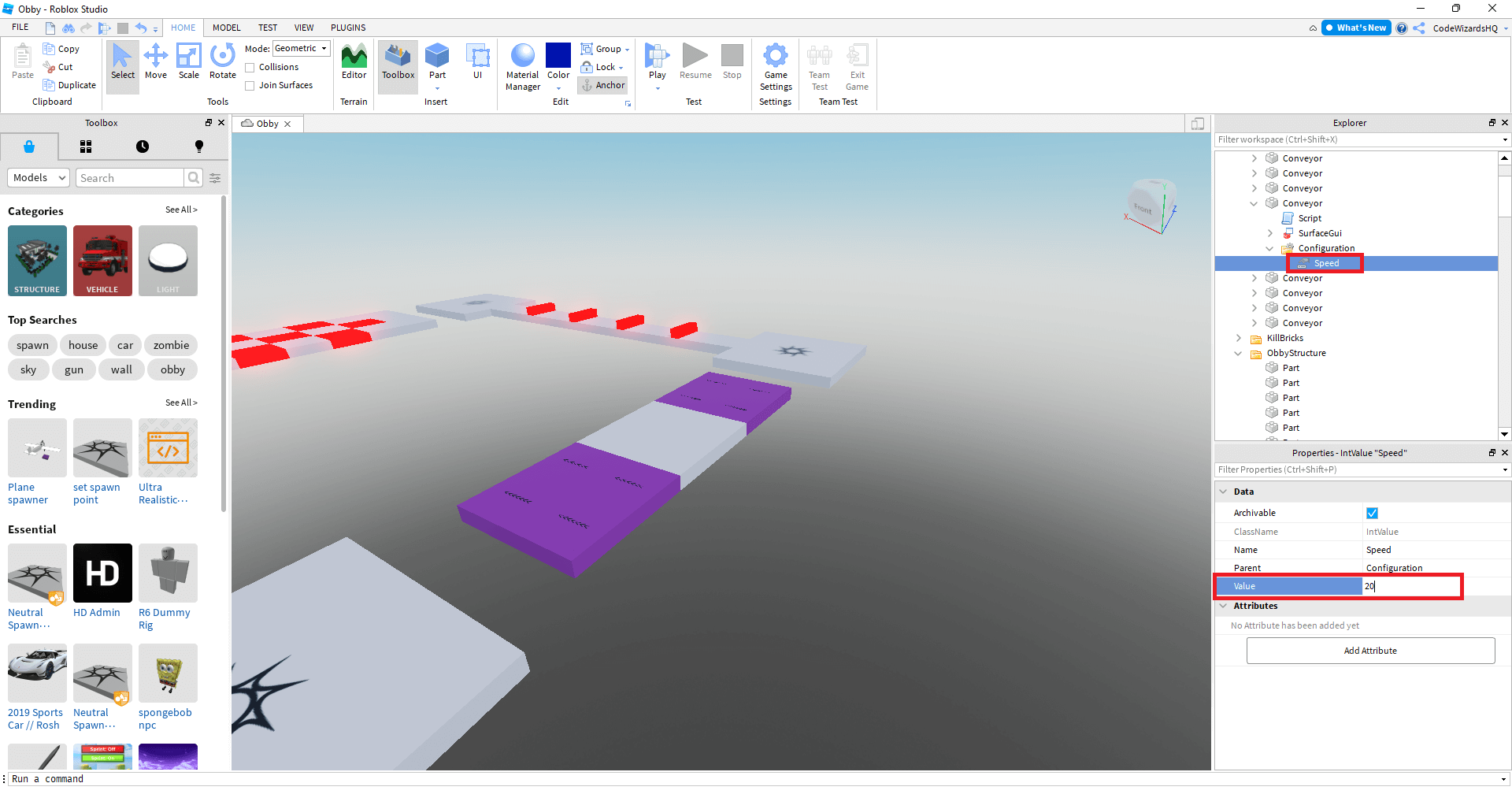
The 'Explorer' window displays a hierarchical list of all objects, parts, scripts, and services within your game. It's essential for organizing your project and selecting specific elements for modification.
How do I test my game before publishing it?
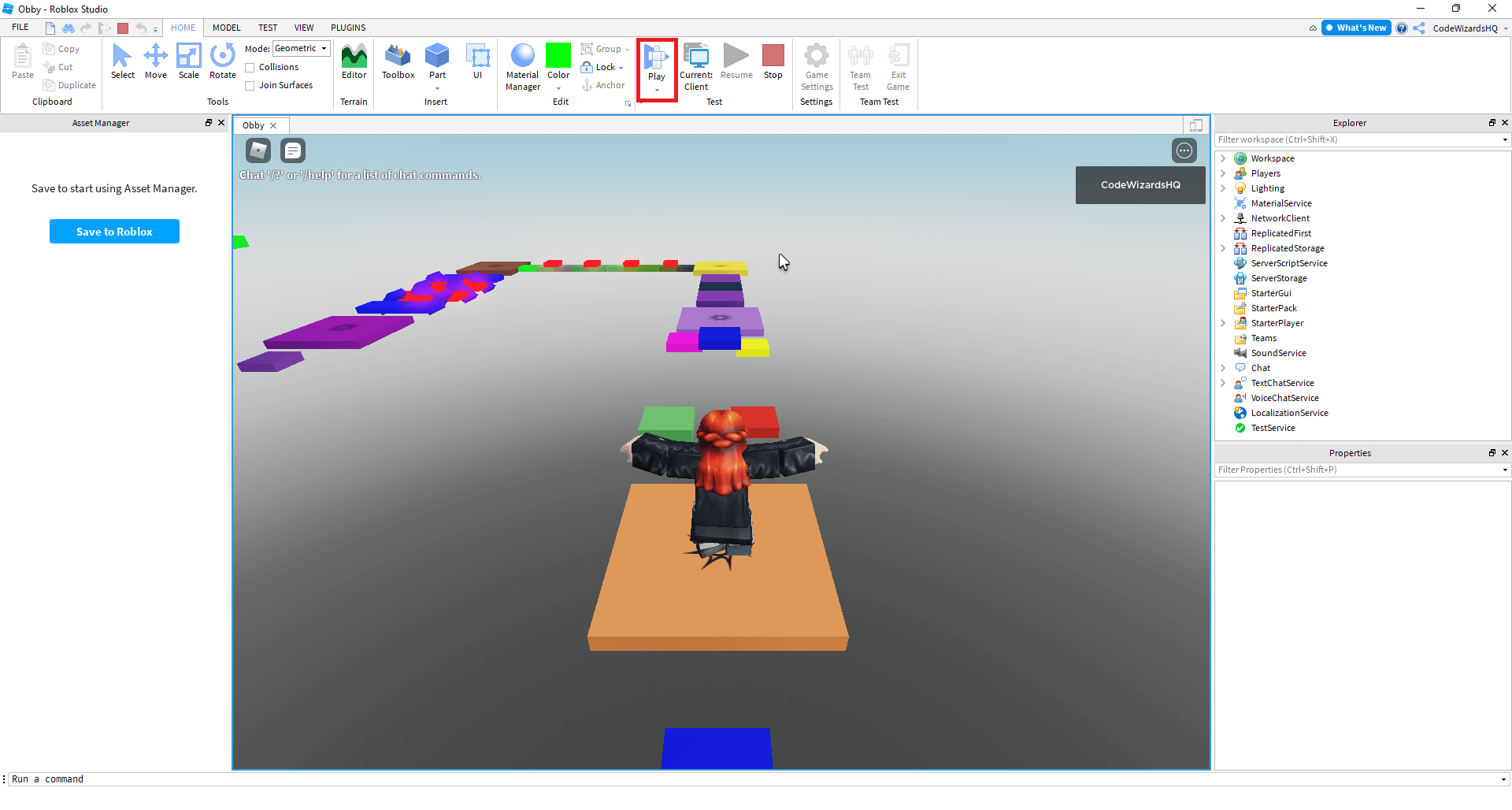
Use the 'Play' button located in the 'Home' tab of Roblox Studio. This allows you to simulate gameplay within the editor, letting you test mechanics, identify bugs, and experience your world as a player would.
Scripting & Logic
What programming language does Roblox use for scripting?
Roblox utilizes Lua, a lightweight and relatively easy-to-learn scripting language. It's perfect for beginners and powerful enough for complex game logic, enabling interactive experiences.
How do I make an object disappear when a player touches it?
You'll need a simple Lua script attached to the object. It would use a 'Touched' event listener to detect player contact, then set the object's 'Transparency' property to 1 and 'CanCollide' to false.
What are 'Variables' and 'Functions' in Lua scripting?
Variables are containers for storing data (e.g., scores, player names). Functions are blocks of code designed to perform a specific task, which can be called multiple times to avoid repetition and organize your scripts.
How do I save player data between game sessions?
For persistent player data, you must use Roblox's 'DataStoreService'. This service allows you to securely save and load information like inventory, progress, and currency for individual players on Roblox servers.
Building & Design
What's the best way to create smooth, curved surfaces?
Utilize parts like 'Cylinders' and 'Spheres' for basic curves, or explore using the 'GapFill' and 'Extrude' tools for more intricate shapes. For advanced designs, consider importing custom meshes created in external 3D software.
How can I make my game world look more realistic?
Focus on lighting using 'Future' technology, apply diverse PBR materials via 'Material Service', and incorporate environmental effects like 'Fog' and 'ColorCorrection'. High-quality custom assets and effective texture mapping also enhance realism significantly.
Tips for creating an engaging game environment.
Prioritize visual storytelling, use varying elevations and natural elements, and integrate interactive props. Ensure consistent art style and color palette. Thoughtful sound design and background music also greatly enhance immersion.
Publishing & Monetization
How do I publish my game so others can play it?
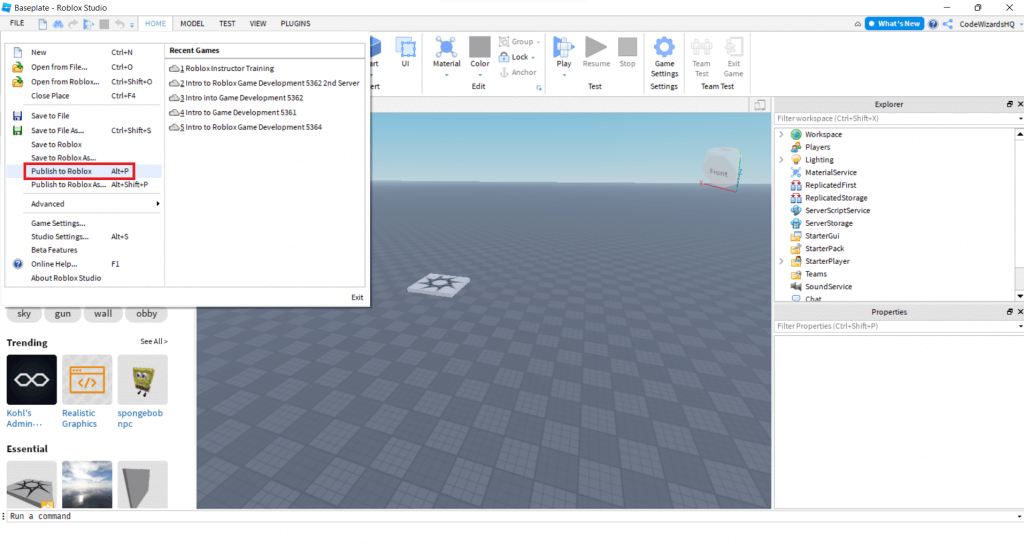
Go to 'File' -> 'Publish to Roblox' in Studio. Provide a descriptive title, engaging description, and relevant genres. Once published, your game will be accessible to millions of players on the Roblox platform.
What are 'Game Passes' and how do I create them?
Game Passes are one-time purchases players make to unlock special abilities, items, or access in your game. You create them via your game's 'Configure Experience' page on the Roblox website, then script their functionality in Studio.
Can I earn real money from my Roblox game creations?
Yes, you can earn Robux through game passes, developer products, and Premium Payouts. Robux can then be converted into real-world currency via the Developer Exchange (DevEx) program, provided you meet eligibility requirements.
Performance & Optimization
My game is experiencing lag and FPS drop; what should I check first?
Check for high part counts, unanchored parts, inefficient scripts (especially those running in loops), and overly complex visual effects. Use Roblox Studio's 'Developer Console' and 'MicroProfiler' to pinpoint bottlenecks.
How can I optimize my game for lower-end devices?
Reduce geometry complexity, optimize textures, implement level-of-detail (LOD) systems, and disable non-essential visual effects for lower graphic settings. Efficient 'Settings optimization' is key to a broader player base.
Multiplayer & Social Features
How do I add leaderboards to my game?
Leaderboards are typically implemented using 'DataStoreService' to store player statistics (like scores or currency) and then displayed visually using Roblox's 'UI' elements. Server-side scripts manage data updates and display logic.
How can players communicate within my game?
Roblox automatically provides a built-in chat system for players. You can also implement custom chat systems or UI elements for specific in-game communication, adhering to Roblox's safety and moderation guidelines.
Bugs & Fixes
My script isn't working; how do I debug it?
Use the 'Output' window in Studio to check for error messages. Insert `print()` statements throughout your script to track variable values and execution flow. The 'Debugger' tool is also invaluable for step-by-step execution analysis.
My parts keep falling through the map; how do I fix this?
Ensure your parts are 'Anchored' in the 'Properties' window. Anchoring prevents parts from being affected by gravity or physics, keeping them fixed in place. For moving parts, ensure they are correctly welded or constrained.
Advanced Development
What are some advanced scripting concepts for experienced developers?
Advanced concepts include object-oriented programming (OOP), module scripts for code organization, custom physics simulations, advanced UI frameworks, and robust networking solutions for multiplayer synchronization.
How can I integrate external APIs or services into my Roblox game?
Integration typically involves using Roblox's 'HttpService' to send and receive data from external servers. This requires careful handling of security and rate limits, often needing proxy servers to ensure compliance with Roblox's policies.
Myth vs Reality
Myth: You need to be a professional coder to make a successful Roblox game.
Reality: While scripting helps, many successful games started with minimal code, focusing on creative building and engaging gameplay. The platform's tools and a supportive community make it accessible for beginners to learn as they go.
Myth: Roblox Studio is only for creating simple kids' games.
Reality: Roblox Studio is a powerful engine capable of producing highly complex, sophisticated games for all ages, including detailed RPGs, competitive FPS titles, and immersive simulation experiences, akin to traditional game engines by 2026.
Myth: Once I publish my game, I can't change anything.
Reality: This is false. You can continuously update, patch, and expand your game after publishing. Developers frequently push updates to fix bugs, add new content, and improve performance, ensuring an evolving experience for players.
Myth: My game will automatically get players once it's published.
Reality: While Roblox has a large user base, getting discovered requires effort. You need to promote your game, engage with players, and ensure it's fun and optimized. Good game design and marketing are crucial for visibility.
Myth: Only games with Robux purchases can be successful.
Reality: Success isn't solely tied to direct purchases. Games that keep players engaged often earn significant Robux through 'Premium Payouts' (based on time Premium subscribers spend in your game), proving quality gameplay is paramount.
Still have questions? The Roblox Developer Hub is an incredible resource, and joining developer Discord communities can provide peer support and answers to specific challenges. Check out our related guides on 'Roblox Studio Scripting for Beginners' and 'Advanced Roblox Game Optimization Tricks' for more in-depth knowledge!
Hey everyone! Ever scrolled through Roblox and thought, “Wow, how do people even make these incredible worlds?” You’re definitely not alone in that thought. It’s a question many aspiring creators ask, and honestly, getting started might seem daunting at first glance. But here’s the scoop from the inside: making your own world in Roblox is not only totally achievable but also incredibly rewarding. Imagine crafting a place where millions can play, explore, and enjoy your unique vision. This guide is your backstage pass to becoming a Roblox game development superstar, even if you’re just a beginner right now.
We’re talking about Roblox Studio, the powerful and free platform where all the magic happens. By 2026, Roblox Studio has evolved significantly, offering intuitive tools for visual building and robust scripting capabilities that cater to every skill level. You don’t need to be a coding wizard to get started; many successful games began with simple ideas and a willingness to learn. This platform allows you to create anything from intricate RPG adventures to fast-paced FPS battles or even serene exploration games. It’s all about unleashing your creativity and understanding a few core principles.
Let's dive into the fascinating world of Roblox creation. We will explore how to download the necessary software, navigate the interface, and begin shaping your first virtual environment. You will learn about designing engaging gameplay, writing basic scripts, and optimizing your project for smooth player experiences. This is your chance to turn those wild ideas into interactive realities, making a mark in the ever-expanding metaverse. So grab your virtual tools and let’s build something amazing together!
Getting Started with Roblox Studio: Your Creative Hub
So, you’re ready to embark on this exciting journey. The first step is simple: download Roblox Studio. This isn’t just an editor; it’s your entire development environment, packed with everything you need. Think of it as your virtual workshop, equipped with all the tools for building, scripting, and testing. It’s available for free on PC, offering a comprehensive suite of features for creators worldwide. Just head to the Roblox website, navigate to the Create section, and click on 'Start Creating'.
Navigating the Interface: Where Everything Lives
Once you launch Roblox Studio, you’ll encounter its main interface. Don’t be intimidated by all the panels and buttons. This layout is designed for efficiency, putting all your essential tools within easy reach. You’ll see the Explorer window, which lists every object in your game, and the Properties window, where you can modify object attributes like color or size. The Toolbox is your go-to for free models, scripts, and audio, a fantastic resource for beginners. Understanding these core panels will significantly speed up your workflow and help you build more efficiently.
Your First Build: Placing and Manipulating Parts
Building in Roblox Studio starts with 'Parts'. These are the fundamental building blocks of your world, like digital LEGO bricks. You can insert various shapes such as blocks, spheres, or wedges, then manipulate them using the Move, Scale, and Rotate tools. Experiment with different colors and materials to give your creations character. Remember, every great world starts with a single part. Practice these basic manipulations to gain confidence in your building abilities. It’s a foundational skill for all Roblox developers.
Bringing Your World to Life with Scripting
While building creates the visuals, scripting adds the interactivity and logic that define your game. Roblox uses Lua, a relatively easy-to-learn programming language, perfect for beginners. You don’t need a computer science degree to start scripting. Simple scripts can make a door open, a light turn on, or a character jump higher. These small interactions truly make your world engaging.
Basic Lua: Events and Variables
Understanding events is key to scripting. An event is something that happens in your game, like a player touching a part or clicking a button. Your scripts can 'listen' for these events and react accordingly. Variables, on the other hand, are like containers for information, such as a player's score or health. Combining these concepts allows for dynamic and responsive gameplay. There are tons of online tutorials and the Roblox Developer Hub to guide you through these initial steps.
Testing and Publishing: Sharing Your Creation
Before sharing your masterpiece with the world, thorough testing is crucial. Use the 'Play' button in Studio to simulate gameplay, identifying any bugs or issues. Once you’re satisfied, publishing your game is straightforward. Simply go to File > Publish to Roblox. This makes your game accessible to millions of players globally. Remember to save frequently to avoid losing your progress. Iterative testing and refining are hallmarks of successful game development, ensuring a polished final product.
Advanced Strategies and Optimization
As your game grows, performance becomes a significant factor. Nobody enjoys a laggy game, and optimizing your settings is key to retaining players. Proper resource management and efficient scripting can prevent FPS drop and stuttering fixes, ensuring a smooth experience across various devices. Monitoring server performance and client-side load is crucial for a responsive game.
Monetization: Earning from Your Creations
Roblox offers several ways to monetize your game, allowing you to earn Robux from your hard work. This can include creating game passes for special abilities, selling developer products for consumables, or even incorporating premium payouts. Understanding the economics of Roblox is vital for turning your passion into a sustainable venture. The platform continuously updates its monetization strategies to benefit creators.
Pro Tips for Success: Beyond the Basics
- Always iterate: Don’t expect perfection on your first try.
- Learn from others: Explore open-source projects.
- Engage your community: Listen to player feedback.
- Optimize constantly: Keep an eye on performance.
- Stay creative: Push the boundaries of what’s possible.
Remember, creating a Roblox world is a continuous learning process. With dedication and a willingness to experiment, your imagination is the only limit. Utilize the vast resources available, connect with other developers, and keep building! You’ve got this.
Beginner / Core Concepts
Here’s a friendly chat about getting your feet wet in Roblox Studio.
1. Q: What even *is* Roblox Studio, and do I need to be a coding genius to use it?A: I get why this confuses so many people, seeing all those complex games out there! Roblox Studio is basically the free software you use to make games and worlds on Roblox. Think of it like a super-powered digital workshop. And nope, you absolutely don't need to be a coding genius to start. You can build incredible things just by dragging and dropping parts, changing their colors, and moving them around. Coding, or 'scripting' with Lua, comes in handy for making interactive stuff, but it's something you learn step-by-step. Many amazing creators started with zero coding knowledge, and you can too! It's more about imagination and a willingness to tinker. You've got this!
2. Q: How do I actually start making something? Like, where do I click first?
A: This one used to trip me up too, feeling lost in a new interface! The best way to start is by downloading Roblox Studio from the official Roblox website. Once it's installed and you open it, you'll see options like 'New' or 'Baseplate'. I'd recommend starting with a 'Baseplate' template. It gives you a flat surface to build on, perfect for your first experiments. Then, look for the 'Part' button in the 'Home' tab. Click that, and boom! You've got your first building block. From there, use the 'Move', 'Scale', and 'Rotate' tools to start shaping it. Don't be afraid to just click around and see what happens; that's how we all learn! Try this tomorrow and let me know how it goes.
3. Q: Is it really free to make games on Roblox, or are there hidden costs?
A: That's a super valid question, and it's a pleasant surprise for many: creating games on Roblox Studio is genuinely free! You don't pay to download the software, and you don't pay to publish your game for others to play. Roblox makes money through Robux, its virtual currency, which players can buy. As a developer, you can earn Robux if players buy game passes or developer products in your game, or if your game attracts Premium subscribers (through Premium Payouts). So, the creation tools are completely free, and there are even ways to earn from your efforts without upfront costs. It's a fantastic deal for aspiring game designers. Keep creating, it's a great opportunity!
4. Q: What are 'Parts' in Roblox Studio, and how do I move them around?
A: Parts are the absolute foundation of everything you build in Roblox Studio; they're essentially your digital building blocks. Think of them like LEGO bricks, but infinitely customizable! They come in basic shapes like blocks, spheres, cylinders, and wedges. To move them, you first select a part (just click on it in the 3D view or in the Explorer window). Then, go to the 'Home' tab at the top of Studio and find the 'Move' tool (it looks like four arrows pointing away from a center). Click that, and colorful arrows will appear on your part. Drag those arrows to move the part along the X, Y, or Z axis. You can also use the 'Scale' tool to resize it and the 'Rotate' tool to spin it. Play around with them, you'll get the hang of it super quickly. Practicing these basic manipulations is key!
Intermediate / Practical & Production
Okay, let’s talk about getting a bit more serious with your game.
1. Q: I've heard about 'scripting' with Lua. Where do I even begin with that?A: Lua scripting can feel like a whole new language (because it is!), but don't let it intimidate you; it's incredibly powerful. You typically start by inserting a 'Script' object into a Part or in the 'ServerScriptService' in the Explorer window. When you double-click it, a code editor opens. The very first thing I'd suggest learning is how to make something happen when a player touches a part. Search for 'Roblox touch event tutorial Lua' – you'll find tons of great resources. Understanding `print()`, variables, and simple `if-then` statements is a fantastic start. The Roblox Developer Hub is your best friend here, with clear examples and documentation. It's a journey, but every line of code you write makes your world more alive! You'll be amazed at what you can achieve.
2. Q: How can I make my game look good? Are there tools for visuals or textures?
A: Making your game visually appealing is absolutely crucial for player engagement, and luckily, Roblox Studio has some excellent tools for that! Once you select a part, look at the 'Properties' window. Here, you can change its 'BrickColor' or use a vast palette of 'Color' options. More importantly, you can change its 'Material' – think wood, plastic, metal, or even glass. These materials have different surface properties and reflections. For more advanced visuals, you can leverage 'SurfaceAppearance' to apply custom textures and normal maps, giving objects incredible detail. By 2026, many developers are using advanced lighting properties like 'Future' lighting technology and 'PBR textures' for stunning realism. Experiment with these settings; a fresh coat of paint makes a huge difference. Your players will appreciate the effort!
3. Q: What's the deal with publishing my game? Is it complicated to get it out there?
A: Publishing your game isn't complicated at all, thankfully! Once you've got something you're happy with (even a small, playable demo), you just go to 'File' in Roblox Studio, then select 'Publish to Roblox'. It'll ask you to name your game, add a description, and choose some basic settings like genre. After that, your game is live! The real 'deal' comes after: getting people to find and play it. That involves good game design, a clear title and description, and potentially sharing it on social media or with friends. Roblox's discovery algorithms consider engagement, so a fun, bug-free game is your best marketing tool. Don't sweat the publish button; it's the easy part! The hard work is making a great game.
4. Q: How do I handle players joining and leaving my game? What about data saving?
A: This is where things get really exciting, and a bit more technical! Roblox handles the basic mechanics of players joining and leaving automatically, which is super helpful. However, to make your game truly dynamic and personalized, you'll want to use server-side scripts to react to these events. For example, `game.Players.PlayerAdded` and `game.Players.PlayerRemoving` are events you can hook into. As for data saving, that's critical for player progression. You'll use Roblox's `DataStoreService` for this. It allows you to store things like a player's coins, inventory, or progress even after they leave and rejoin your game. It sounds complex, but there are many beginner-friendly tutorials on `DataStoreService`. Just remember, it's always done on the server, never on the client, for security. This ensures that player data is safe and consistent. It's a cornerstone of any persistent multiplayer experience.
5. Q: My game keeps lagging for players. What are some common optimization techniques?
A: Ugh, lag and FPS drop are the bane of every developer's existence, I totally get it. Nobody wants players leaving because of stuttering issues! The most common culprits are usually too many parts, unoptimized meshes, or inefficient scripts. First, try to reduce your part count wherever possible; union smaller parts or use meshes. Second, check your scripts for infinite loops or functions that run too often without yielding; these are notorious for causing server lag. Use Roblox Studio's 'Developer Console' (F9 in-game) and 'MicroProfiler' to identify performance bottlenecks. Also, make sure your game's 'Settings optimization' considers client device capabilities. Simplifying complex visual effects for lower-end devices can significantly improve performance. Regularly 'clean up' your game hierarchy and remove unused assets. Pro tip: less is often more when it comes to performance. Your players will thank you for a smooth experience.
6. Q: How do I get my game discovered by more people on Roblox in 2026?
A: Getting discovered on Roblox in 2026 is a blend of good game design and smart promotion. First, ensure your game is genuinely fun and polished, with clear objectives. A strong 'first-time user experience' is crucial for retention. Second, leverage Roblox's internal discovery features: a compelling title, a clear, keyword-rich description, and eye-catching thumbnails/videos are paramount. Encourage players to like and favorite your game, as these metrics influence visibility. Third, don't underestimate external promotion. Share your game on social media platforms like TikTok, YouTube, and Discord. Engage with the community, get feedback, and iterate quickly. By 2026, many successful games also use Roblox's 'Sponsor' and 'Advertise' options effectively to get initial traction. Think of it like a snowball effect – start small, make it great, then push it out there! You're building a community, not just a game.
Advanced / Research & Frontier 2026
Alright, let’s dig into the really exciting stuff that’s pushing the boundaries.
1. Q: What are some cutting-edge 2026 features in Roblox Studio for advanced developers?A: By 2026, Roblox Studio has definitely leveled up, especially for advanced creators. We're seeing widespread adoption of 'Material Service' which allows for custom physical based rendering (PBR) materials, giving incredible visual fidelity. The 'Cloud Editor' is also becoming more robust, enabling collaborative development in real-time, which is a game-changer for teams. On the scripting side, there's enhanced support for 'Luau type checking', making code more robust and performant, akin to advanced programming language features. Furthermore, new APIs for 'immersive audio' and 'haptic feedback' are letting developers craft truly next-level sensory experiences. It’s all about pushing the realism and interactivity envelope, moving beyond simple builds to fully simulated worlds. The tools are there for you to create something truly groundbreaking.
2. Q: How are professional Roblox studios managing large-scale projects and teams?
A: Professional Roblox studios, much like traditional game developers, rely heavily on structured workflows and collaboration tools to manage large-scale projects. They’re often leveraging the 'Cloud Editor' feature in Roblox Studio for real-time collaborative building and scripting, which helps streamline production. Beyond Studio, they integrate external version control systems like Git, often with custom tooling to manage assets and code changes efficiently. Project management software (Jira, Trello) keeps tasks organized, and dedicated roles like lead builders, lead scripters, UI/UX designers, and quality assurance testers ensure specialized expertise. Consistent communication and code reviews are paramount. They also focus on creating reusable component libraries and robust frameworks to accelerate development and maintain consistency across different aspects of their game. It's truly a mini-AAA development pipeline within Roblox. Building a great team is just as important as building a great game.
3. Q: What's the latest on AI integration within Roblox game development? Can I use it?
A: AI integration in Roblox development is rapidly advancing by 2026, and yes, you absolutely can start using it! We're seeing two main thrusts: AI-powered tools *within* Studio and AI-driven gameplay elements *within* your games. For tools, imagine generative AI helping with terrain creation, suggesting building styles, or even writing basic script snippets from natural language prompts – these features are emerging. In-game, developers are implementing more sophisticated AI for NPCs (Non-Player Characters) using behavior trees and state machines, allowing for more dynamic enemies, allies, or even AI-driven storytellers. Frontier models like o1-pro or Llama 4 reasoning aren't directly embedded for *player* use yet, but their principles are inspiring developer tools and custom in-game AI. It's a hugely exciting area with massive potential for creating richer, more intelligent worlds. Start experimenting with simple AI behaviors; the future is now!
4. Q: How are developers preparing their games for Roblox's metaverse expansion in 2026?
A: Preparing for Roblox's ongoing metaverse expansion in 2026 means focusing on interoperability, persistence, and deeper immersion. Developers are designing games not as isolated experiences but as interconnected spaces that might share assets, identities, or even narrative threads. This involves ensuring robust 'data persistence' so player progress and items carry over seamlessly. Many are also building with 'avatars' and 'avatar customization' at the forefront, leveraging new accessory and clothing APIs. The push for more dynamic, user-generated content within games is also key, allowing players to contribute to the evolving metaverse. Furthermore, optimizing for a broader range of devices, including future VR and AR integrations, is a major focus. The goal is to create truly living, breathing digital worlds that feel less like games and more like persistent places players inhabit. It's about thinking beyond a single game and towards an entire ecosystem. The future is truly boundless!
5. Q: What are the best practices for implementing robust anti-cheat systems in complex games?
A: This is a critical one for any competitive or high-stakes game. Implementing robust anti-cheat in Roblox is a continuous battle, but some best practices really stand out. First and foremost, enforce as much game logic as possible on the 'server-side'. Never trust the client! If a player's client tells the server they jumped 100 studs, the server should verify if that's even physically possible. Second, implement 'sanity checks' for common exploits like speed hacks, teleporting, or fly hacks by monitoring player position, velocity, and jump states. Third, utilize 'obscurity' by making your code harder for exploiters to read, though this is a deterrent, not a foolproof solution. Fourth, track unusual player behavior patterns that might indicate botting or exploiting. Finally, integrate a robust 'moderation system' that allows you to quickly identify and ban confirmed cheaters. This requires constant vigilance and updates, as exploiters are always finding new ways around defenses. It's an ongoing commitment to fairness and integrity, which seriously impacts player retention. You're building a fair playground for everyone!
Quick 2026 Human-Friendly Cheat-Sheet for This Topic
- Start Small & Iterate: Don't try to build your dream MMO on day one. Begin with a simple idea, get it working, and then slowly add features. Small wins keep you motivated!
- Embrace the Roblox Developer Hub: It's a goldmine of information, tutorials, and API documentation. Whenever you're stuck, chances are the answer is there.
- Experiment with Lua Scripting Early: Even if you only learn how to change a part's color with code, it opens up a world of possibilities. It’s easier than you think to grasp the basics.
- Utilize Free Assets Responsibly: The Toolbox has thousands of free models, scripts, and audio. They're great for learning and placeholders, but customize them or create your own to make your game unique.
- Test Relentlessly with Friends: What seems fine to you might be broken for others. Get friends to playtest your game on different devices; their feedback is invaluable for finding bugs or lag.
- Stay Updated on Studio Features: Roblox Studio is constantly evolving. Keep an eye on announcements for new tools and APIs; they can dramatically improve your workflow and game quality.
- Connect with the Developer Community: Join Discord servers, forums, and developer events. Learning from and collaborating with others is one of the fastest ways to grow your skills and find support.
Learn to use Roblox Studio; Master building tools; Understand Lua scripting basics; Publish your custom game; Optimize game performance; Monetize your Roblox world; Explore advanced game design; Fix common creation issues; Discover community resources.
35


Roblox Create Your Own World H Ng D N S Ng T O Th Gi I C A B N Tr N How Do You Make Your Own World On Roblox . How To Make Your Own Roblox World And Activate It Tutorial XBOXGUY . Roblox How To Create Your Place World YouTube . CREATE YOUR OWN WORLD BUILD CRAFT SURVIVE DEILAND GAMEPLAY . Roblox Maps Your Guide To Building Awesome Worlds Create 3d Maps And Model For Your Roblox Game

Want To Create Your Own Roblox Place Easily Experience Change Start Place . Roblox Game Creation Tutorial Roblox Creator Dashboard SKRW . How To Make A Roblox Game In 15 Minutes Create Roblox Games Step 10 . Create Your Own World Recess . How To Make A Map In Roblox A Simple Guide Playbite How To Make A Map Roblox 1024x576

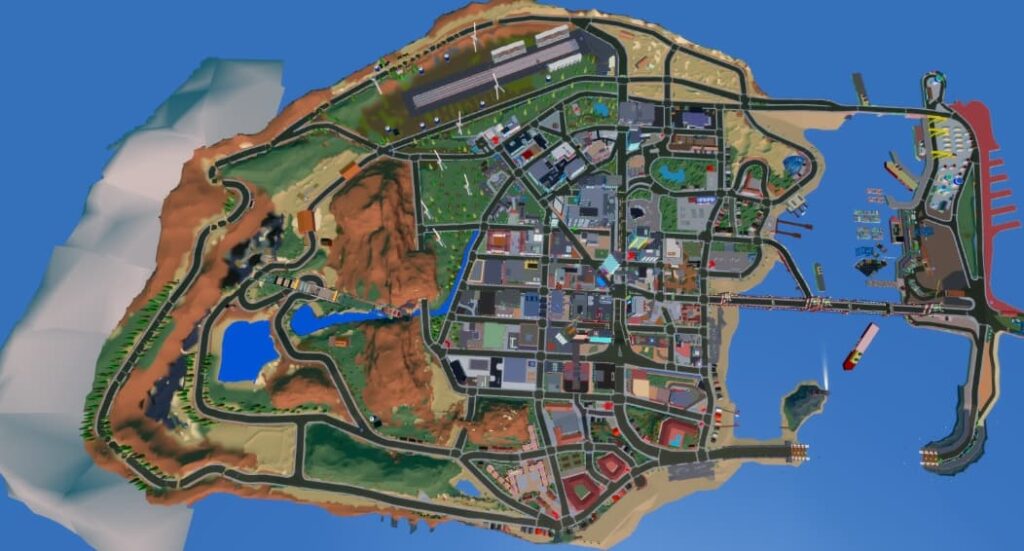

How To Make Roblox Games How To Make Your Own Roblox Game Make A Game Like Adopt Me In Roblox Studio . How To Create Your Own Map In Roblox Insiderbits Image 2023 10 1024x263 . Create Awesome Roblox Maps Create Roblox Map And Realistic Models With Blender Or Roblox Studio . Roblox Maps Your Guide To Building Awesome Worlds Image 2023 10 1024x551 . How To Build A World Map In 15 Minutes YouTube

ROBLOX World How To Message People Episode 1 YouTube . How To Level Up Fast In Roblox World Zero Image 2024 10 07 232249757 . How To Make A Roblox Game In 15 Minutes Create Roblox Games Step 11 1024x545 . How To Make Your Own Game On Roblox Pc . How To Make A Game In Roblox Easy At Roger Monday Blog Step 2


Make Your Own Roblox Game A Beginners Guide Step 7 . How To Make Your Own World Record At Ethan Carl Blog . How To Make A Roblox Game 2022 YouTube . How To Create World In Roblox YouTube . Roblox Maps Your Guide To Building Awesome Worlds


How To Create Your Own Roblox Models Tutorial For Roblox RBLX Tutorials 16843. How To Create Your OWN GAME In Roblox YouTube . HOW TO MAKE YOUR OWN GAME ON ROBLOX IN 2022 YouTube . The Ultimate Roblox Book An Unofficial Guide Learn How To Build Your 81GLlWMY9KL . HERES HOW TO MAKE A DANDYS WORLD OC 3D ROBLOX STUDIO YouTube


Make Your Own Country Roblox Jpeg. How To Create Your Own Roblox Clothing FREE 2025 YouTube . PDF READ The Ultimate Roblox Book An Unofficial Guide Learn How To 67663796 . How To Make A Roblox Game In 2024 FOR BEGINNERS YouTube . Roblox Editor Create And Code Your Own World 48000 Grand River Ave Rimg W1080 H1080 Dcfe7908 Gmir