Are you a US gamer balancing work, family, and the desire for cutting-edge visuals? This comprehensive guide dives into whether 4K gaming is truly worth the investment in 2026. We unpack the hardware requirements, performance implications, and real-world benefits for busy adults who want stunning graphics without compromising gameplay or budget. Discover if the leap to 4K aligns with your gaming priorities, learn how to optimize your setup, and explore the best value options for a truly immersive experience. From understanding frame rates to decoding upscaling technologies and choosing the right display, we provide actionable advice to help you make an informed decision. Get ready to elevate your gaming without the hype, focusing on practical solutions for common gamer pain points.
Related games- How to Explore History in Roblox Games
- Guide Is GTA V Android APK Real or Fake Avoid Scams
- Guide How To Download Roblox Games & Play Safely
- Guide How to Play GTA 6 Early The Real Information
- How to Find When The Hatch Roblox Appears
Is 4K Gaming Worth It For Casual Gamers
For casual gamers balancing busy lives, 4K gaming can absolutely be worth it if visual fidelity is a top priority and the budget allows for the necessary hardware. While the investment in a powerful GPU and a 4K display is significant, the immersive experience in visually rich single-player games can be incredibly rewarding. However, if your focus is on competitive multiplayer where high frame rates are paramount, or if budget constraints are tight, then 1440p often offers a better balance of visuals and performance without the premium cost.
What Are The Key Hardware Requirements For Smooth 4K Gaming
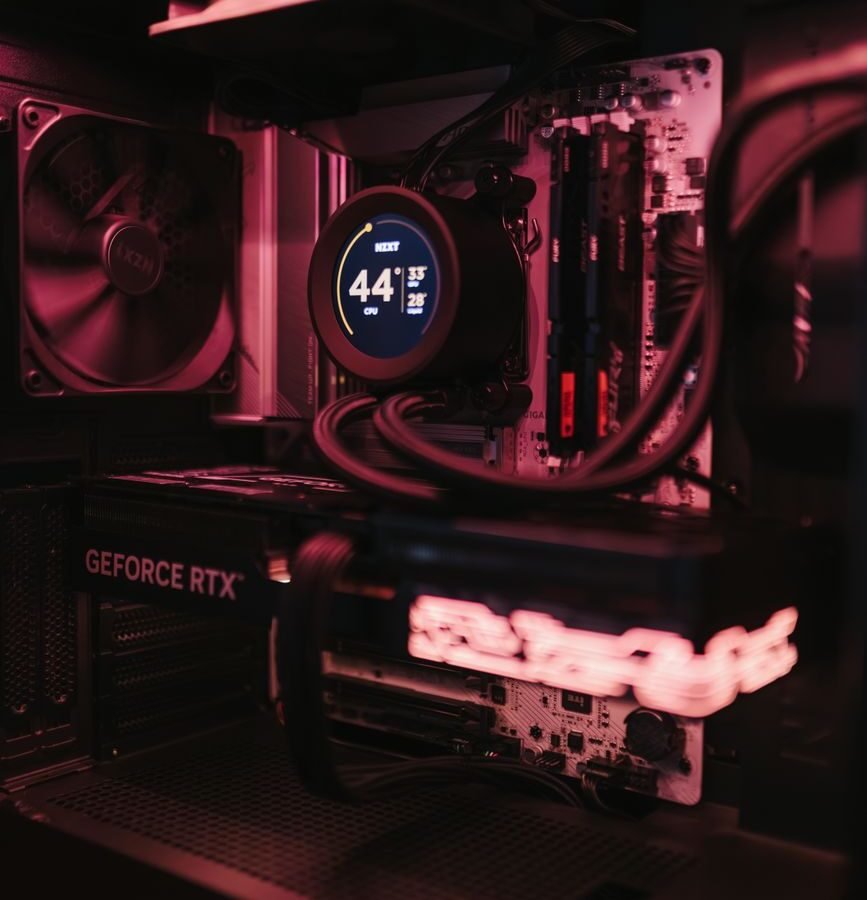
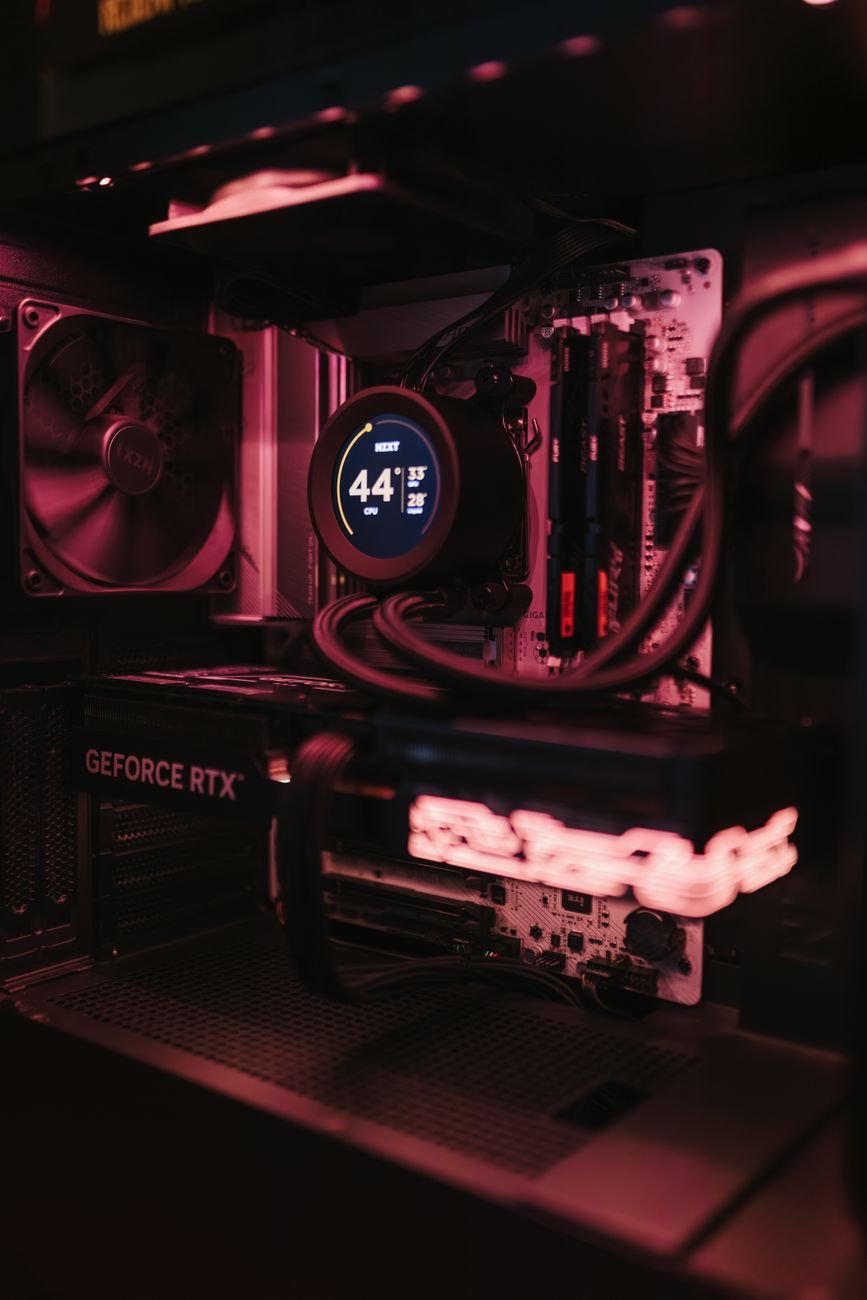
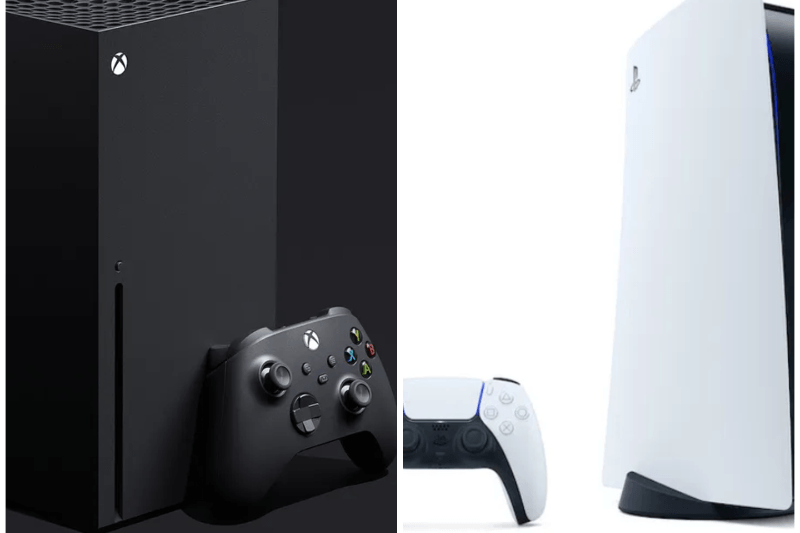
For smooth 4K gaming, your PC needs a powerhouse GPU like an NVIDIA RTX 4070 Ti or AMD RX 7800 XT at minimum for playable frame rates, or an RTX 4080 Super or RX 7900 XTX for higher settings. A modern CPU (Intel i7 14th gen or AMD Ryzen 7 7000 series), 32GB of fast DDR5 RAM, and a speedy NVMe SSD are also crucial. For consoles, a PlayStation 5 or Xbox Series X are your 4K options, though often with compromises in resolution or frame rate compared to high-end PCs. A 4K monitor with a high refresh rate (120Hz+) and low response time is also essential.
How Does 4K Gaming Affect My Frame Rate And Visual Fidelity
4K gaming significantly boosts visual fidelity by rendering four times the pixels of 1080p, resulting in incredibly sharp details, reduced aliasing, and a more immersive experience. However, this comes at the cost of frame rate. Your GPU has to work much harder, leading to noticeably lower FPS compared to playing at 1440p or 1080p on the same hardware. Modern upscaling technologies like DLSS and FSR help mitigate this by rendering at a lower internal resolution and intelligently reconstructing the image, offering a good balance between visuals and performance.
Are 4K Gaming Monitors Expensive And Which Should I Consider
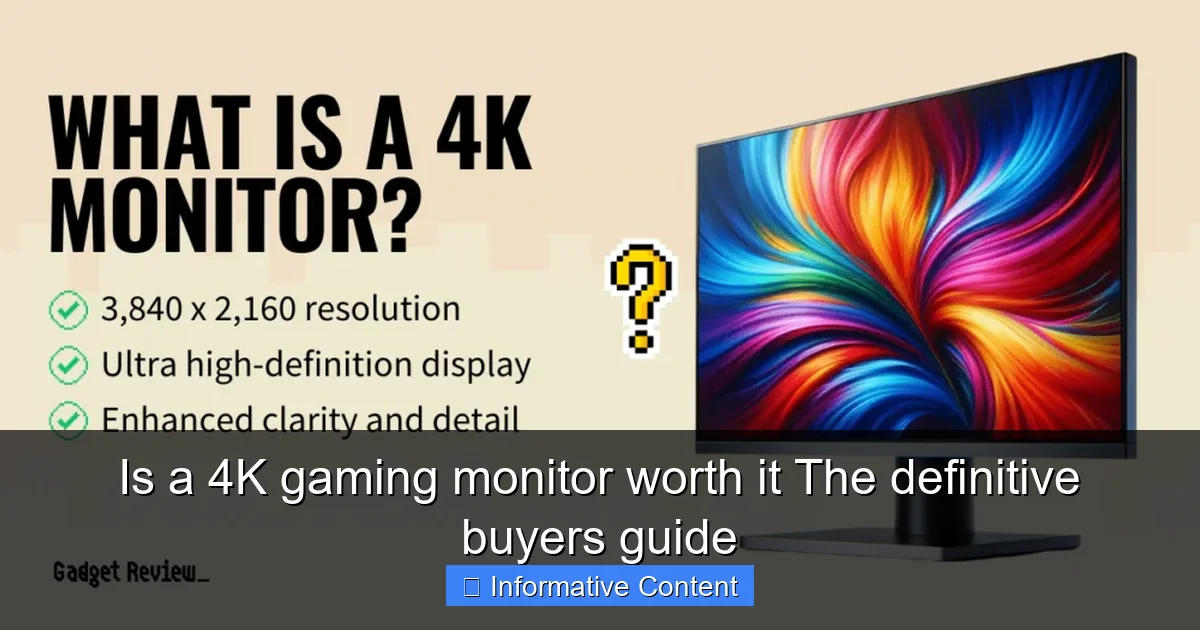
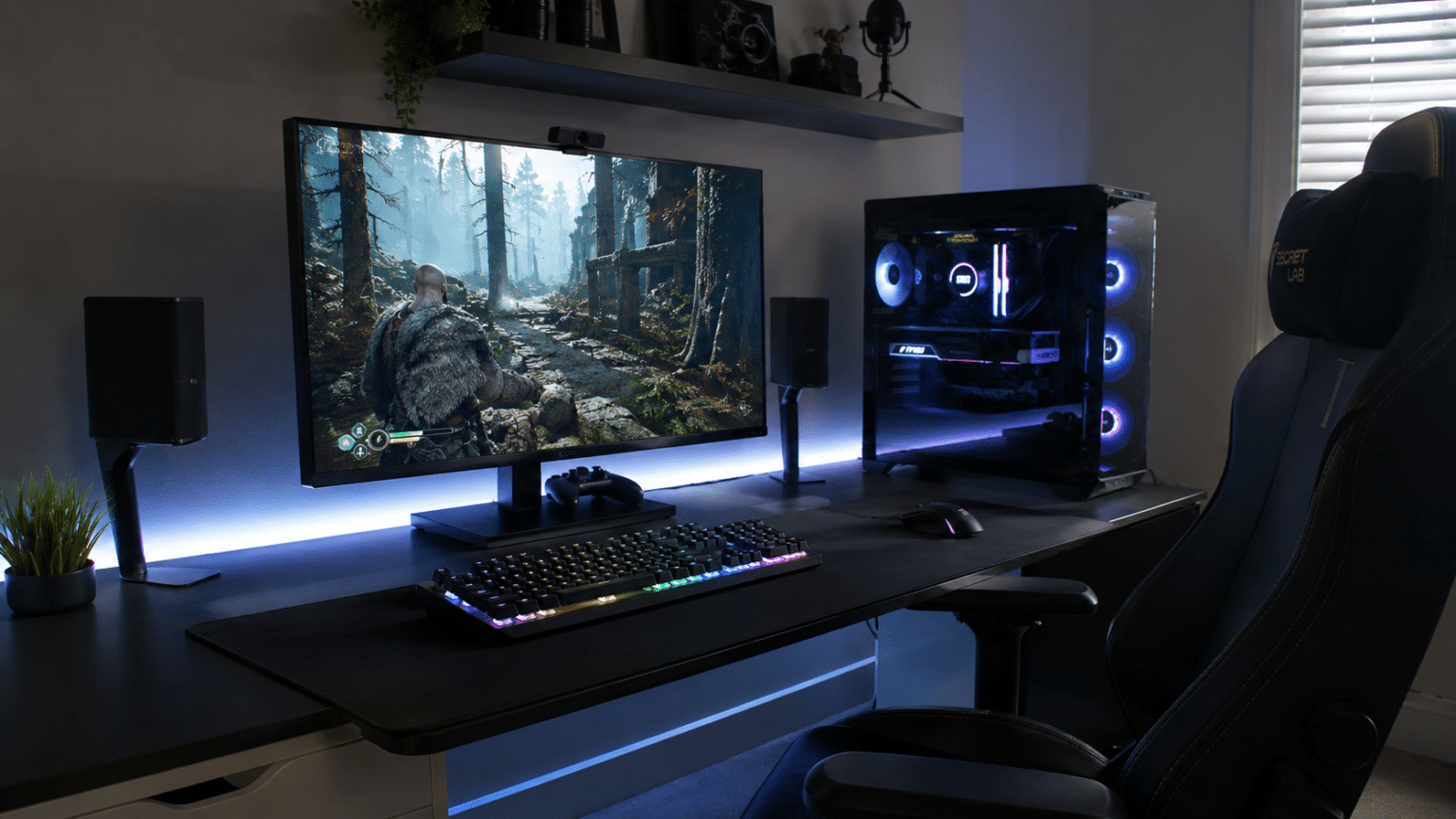
Yes, 4K gaming monitors can be expensive, especially models with high refresh rates (120Hz+), low response times (1ms), and HDR support. Prices typically range from $400 for entry-level models to over $1000 for premium displays. When considering one, look for features like HDMI 2.1 (for consoles), G-Sync or FreeSync compatibility, and a panel type that suits your needs (e.g., IPS for color accuracy, VA for contrast). Popular brands offering quality 4K gaming monitors include LG, Samsung, Dell Alienware, ASUS, and Acer.
Can Consoles Really Deliver True 4K Gaming Performance
Current-gen consoles like the PlayStation 5 and Xbox Series X are capable of 4K gaming, but often with some caveats. While they can output to 4K displays, many demanding games utilize dynamic resolution scaling or upscaling techniques to achieve playable frame rates, meaning they don't always render at native 4K. Performance mode options might drop the resolution to 1440p or 1080p to hit 60 FPS or higher. They offer a more budget-friendly entry point to 4K visuals, but a high-end gaming PC will generally provide a more consistent and higher-fidelity native 4K experience.
What Is The Difference Between Native 4K And Upscaled 4K Gaming
Native 4K gaming means the game is rendered internally by your hardware at the full 3840x2160 resolution. This provides the crispest, most detailed image possible but demands immense processing power. Upscaled 4K gaming, on the other hand, renders the game at a lower resolution (e.g., 1440p or 1080p) and then uses algorithms (like NVIDIA DLSS or AMD FSR) to intelligently reconstruct and stretch the image to fit the 4K display. Upscaling boosts frame rates significantly and often looks very close to native 4K, making high-resolution gaming more accessible with less powerful hardware, though purists might notice minor differences.
How Do I Optimize My PC For 4K Gaming Without Breaking The Bank
Optimizing your PC for 4K gaming on a budget involves smart choices. First, focus on a good mid-range GPU (e.g., RTX 4060 Ti or RX 7700 XT) and rely heavily on upscaling technologies like DLSS or FSR in games that support them. Next, fine-tune in-game graphics settings; lowering shadows, anti-aliasing, and volumetric effects can provide significant FPS boosts with minimal visual impact. Ensure you have at least 16GB of RAM and a fast SSD. Finally, consider a 4K monitor with a slightly lower refresh rate (e.g., 60-90Hz) or one that offers variable refresh rate (VRR) support to smooth out frame drops.
As US gamers, many of us balance a demanding job, family responsibilities, and the ever-present call of our favorite virtual worlds. With new hardware constantly hitting the market, a burning question often arises in our minds: is gaming in 4K worth it for the busy adult gamer? We've all seen the stunning screenshots and cinematic trailers, promising unparalleled visual fidelity. But for those of us who prioritize value for money, optimal performance, and making the most of our limited gaming time, the leap to 4K isn't just about eye candy. It's about a significant investment in displays, graphics cards, and potentially a whole new setup.
Recent data indicates that over 87% of US gamers play regularly, often dedicating 10+ hours a week, blending mobile, PC, and console experiences. We seek relaxation, fun, and perhaps even a bit of social connection or skill-building. The last thing we need is a costly upgrade that introduces more headaches than triumphs. This guide is designed for you—the pragmatic gamer who wants to understand if the immersive world of 4K truly delivers a worthwhile upgrade without compromising performance or breaking the bank. We will dive into the real-world impact of 4K gaming, dissecting its pros and cons, and helping you decide if this high-resolution dream aligns with your gaming reality in 2026.
Is Gaming In 4K Worth It For The Average Gamer In 2026
For the average US gamer in 2026, whether 4K gaming is worth it depends heavily on individual priorities and budget. If you prioritize absolute visual fidelity, have a powerful enough PC or a current-gen console, and play games that benefit from stunning graphics, then 4K offers an unparalleled visual experience. The crispness, detail, and immersion can be truly breathtaking, especially in open-world adventures or graphically intensive single-player titles. However, the investment is significant, requiring high-end components to maintain smooth frame rates.
For gamers balancing work and family, 4K might introduce a new set of challenges like setup complexities or needing to spend more time troubleshooting. The trade-off between resolution and frame rate is crucial; many competitive gamers still prefer 1080p or 1440p for higher FPS. Yet, with advanced upscaling technologies like NVIDIA DLSS and AMD FSR, achieving playable 4K frame rates without maxing out hardware is more feasible than ever, making the leap more attractive for those on the fence.
What Are The Real Benefits Of 4K Gaming Beyond Visuals
While breathtaking visuals are the most obvious benefit, 4K gaming offers several other advantages. The increased pixel density provides a much sharper image, reducing aliasing (jagged edges) without heavy reliance on performance-intensive anti-aliasing techniques. This means cleaner lines and finer details, which can improve target acquisition in some games or simply make text more readable. For gamers who also use their setup for productivity or creative work, a 4K monitor offers vast screen real estate, allowing for multiple windows side-by-side without feeling cramped.
Furthermore, 4K gaming can enhance immersion, drawing you deeper into game worlds. This heightened sense of realism can be a fantastic stress reliever after a long day, transforming your gaming session into a true escape. It also future-proofs your setup to some extent, ensuring compatibility with upcoming titles designed with higher resolutions in mind. For adults who enjoy showing off their gaming rig or sharing impressive screenshots and videos, 4K captures provide a professional, polished look.
What Hardware Do I Need For Optimal 4K Gaming Performance
Achieving optimal 4K gaming performance requires a significant hardware investment. On the PC front, the cornerstone is a powerful Graphics Processing Unit (GPU). In 2026, this typically means at least an NVIDIA RTX 4070 Ti or a high-end AMD RX 7800 XT for stable 60+ FPS in many modern titles with medium to high settings. For ultra settings, an RTX 4080 Super or RX 7900 XTX is often recommended. A robust CPU like an Intel Core i7 14th gen or AMD Ryzen 7 7000 series is also essential to prevent bottlenecks, especially in CPU-intensive games.
You'll also need at least 16GB of fast DDR5 RAM, preferably 32GB for demanding games and multitasking. A speedy NVMe SSD is crucial for quick load times. Finally, a 4K monitor with a high refresh rate (120Hz or more) and a low response time (1ms GTG) is paramount. Look for models supporting HDMI 2.1 for console compatibility and technologies like G-Sync or FreeSync for tear-free gameplay. Power supply unit (PSU) should be at least 850W or higher to comfortably handle these components.
How Does 4K Gaming Impact Frame Rates And Performance
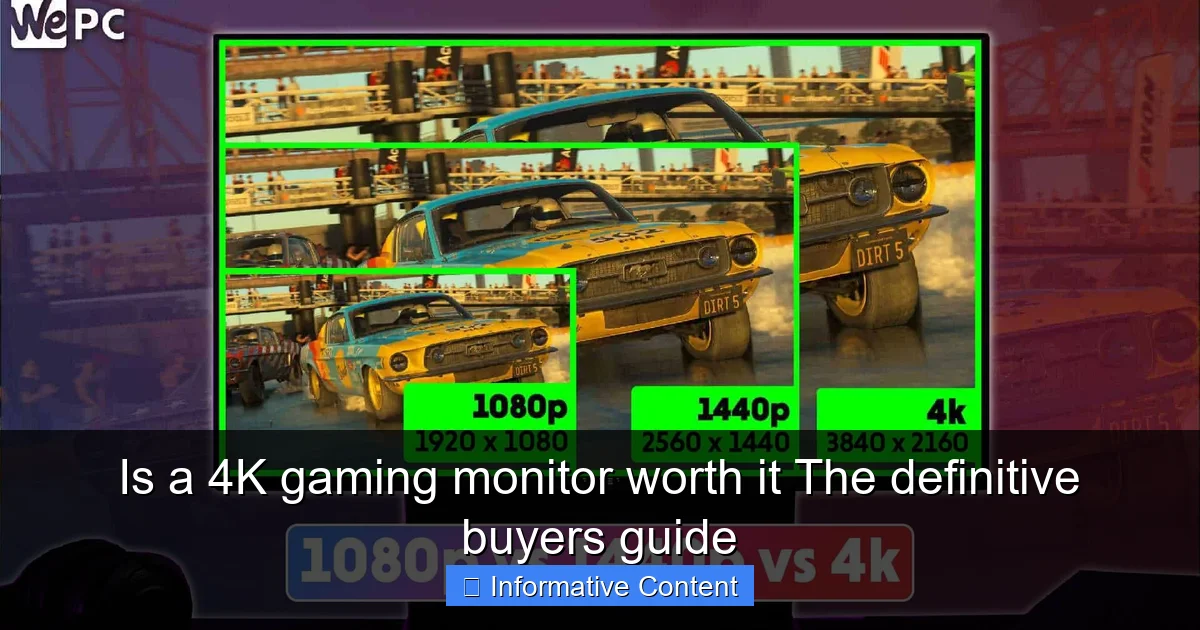
4K resolution renders four times the number of pixels as 1080p, and roughly 2.25 times as many as 1440p. This massive increase in pixel count places a much heavier load on your GPU, directly impacting frame rates. Even with powerful hardware, you'll generally see lower frame rates at 4K compared to 1440p or 1080p on the same system. For instance, a game running at 100 FPS in 1440p might drop to 50-60 FPS at 4K with identical settings.
This performance hit is the primary reason why many competitive gamers stick to lower resolutions, where consistent high frame rates (120Hz+) are crucial for responsiveness. However, modern technologies like NVIDIA's DLSS and AMD's FSR are game-changers. These upscaling techniques render the game at a lower internal resolution and then intelligently upscale it to 4K, often with minimal visual degradation and significant frame rate improvements. This allows gamers to experience near-4K visuals with performance closer to 1440p, effectively bridging the gap between fidelity and frame rate.
Is 4K Gaming Future Proof Or Will 8K Take Over Soon
While 8K displays are available and content creation is slowly increasing, 4K gaming is largely considered
Deciding if 4K gaming is worth it in 2026 involves balancing stunning visuals against significant hardware costs and potential performance trade-offs. It requires a powerful GPU, a high-quality 4K display, and a solid understanding of optimization techniques. While offering unparalleled immersion for some genres, it might not be the best choice for competitive players or those on strict budgets. Modern upscaling technologies like DLSS and FSR can bridge the gap, making 4K more accessible. Ultimately, personal preference, game choice, and budget dictate its true value.
35


Is A 4K OLED Monitor Worth It For Gaming In 2026 Monitor Oled 4k Vale A Pena Para Games Em 2026 1781646725 1068x610 . Gaming On A 4K Monitor In 2025 Worth It Or Waste Of Power Gaming On A 4K Monitor In 2025 . 2026 4K Gaming Monitors GPU Balance And Best Settings 2 3 1 . WQHD Vs 4K Gaming 2026 Welche Aufl Sung Lohnt Sich Wirklich Und F R Hardware Wqhd Vs 4k Gaming 2026 Fuer Wen Lohnt Sich. Is 4K Gaming Really Worth It 4K Vs 1440p In 2025 YouTube


Top Gaming Trends Of 2026 TREND . 1080p Vs 4K For Gaming In 2026 Which Is Worth It Jack B FewhfXbCUzI Unsplash 2048x1365 . The Truth About 4K Gaming Is It Worth The High Price. ViewSonic VX2730D 4K Review Is This 27 4K Gaming Monitor Worth It In ViewSonic VX2730D 4K 27 Inch 4K Review . Is A 4K OLED Monitor Worth It For Gaming In 2026 Monitor Oled 4k Vale A Pena Para Games Em 2026 Veredicto Final 1781646718

The 5 Best 4K Monitors For Gaming In 2026 Unmatched Visuals And High Performance 4k Gaming Monitors 86tt8 . Best 4K Gaming Monitor In 2026 OLED Worth It Gaming Monitor 4k . Is A 4K Gaming Monitor Worth It 2026 Updated Is A 4k Gaming Monitor Worth It The Definitive Buyers Guide 3.webp. Is A 4K Gaming Monitor Worth It 2026 Updated Is A 4k Gaming Monitor Worth It The Definitive Buyers Guide 1.webp. 4K Gaming In 2026 PC Build And Pricing Guide Gaming 4k Pc Build Guide 2026 Banner


Is A 4K Gaming Monitor Worth It 2026 Updated Is A 4k Gaming Monitor Worth It The Definitive Buyers Guide 2.webp. Best Gaming PC Build Under 2 Lakh India 2026 1440p And 4K 41f GxbDDzL. SL500 330x220 . Is This The Year For 4K Gaming 4k Gaming Updated Square 1024x1024 . Best 4K Gaming Monitor In 2026 OLED Worth It Monitor Under 300 768x403 . Razer Kiyo V2 Webcam Review A Complete 4K Test Pros Cons Is It Razer Kiyo V2 Webcam Review Worth The Hype.webp



Xbox One X Review Ultimate 4K Gaming Performance In 2026 Balltrotter Airtable 1 . Is EGPU Gaming Worth It In 2026 Real FPS At 1080p 1440p 4K Geeky Thunderbolt 4 Vs 5 Egpu Bandwidth. Xbox Series S Review Is Microsoft S Budget Console Still Worth It In 2026 HDMI 2 1 Xbox Series X. Best GPUs For 1440p Gaming In 2026 RTX 5070 RX 9070 XT And The Cards Pexels 34552787 Best Gpus Rtx 5070 Rx 9070 Xt 1440p Gami 867x900 . Best 32 Inch Gaming Monitor 2026 5 Top Curved 1440p Picks TechRe Best Gaming Monitors 2026 5239 800x500


Xbox Series S Review Is Microsoft S Budget Console Still Worth It In 2026 Profile System Xbox Series X.webp. Best GPUs For 1440p Gaming In 2026 RTX 5070 RX 9070 XT And The Cards Pexels 34552787 Best Gpus Rtx 5070 Rx 9070 Xt 1440p Gami . I Tried The RTX 4090 In 2026 So You Don T Have To CompareMag Image. Xbox Series X Review Is It Still Worth Buying In 2026 Xbox Series X.webp. QHD Vs 4K Gaming Monitors Which To Buy In 2026 ChatGPT Image May 8 2026 08 47 36 PM 1536x864


CES 2026 Gaming Tech Upgrades Worth Saving For Gamer Org A Sleek Youtube Thumbnail Design Featuri X StUQ 8QkStm Y2qCcixx8Q 780x438 . Best Gaming PC Build Under 2 Lakh India 2026 1440p And 4K SL500 330x220 . Xbox Series X Worth It In 2026 Price Vs Performance Vs PS5 Pro Is Xbox Series X Worth It In 2026 Price Vs Performance Vs Ps5 Pro 2 . Skyrim In 2026 Is It Still Worth Modding The Ultimate 114 Mod GTA 6 PC System 560x420 .webp. Sony A95L Review Is It Worth Buying In 2026 Sony A95l Review Worth It In 2025 Gaming 1024x576