Gamers across the US, balancing busy lives with their passion for play, often face the challenge of managing digital storage and device performance. This comprehensive guide provides step by step instructions on how to delete game apps across all major platforms including PC, PlayStation, Xbox, Nintendo Switch, and mobile devices. Learn to free up precious hard drive space, enhance system speed, and declutter your digital library without losing invaluable game progress. We cover everything from recognizing stubborn files to understanding cloud saves, ensuring you can efficiently manage your gaming collection. Discover practical tips tailored for the average gamer, allowing you to maintain an optimized gaming environment and always be ready for the next big release without the headache of full storage or lagging systems. This resource ensures your gaming experience remains smooth and enjoyable.
Related games- Guide to Roblox Beyblade City Codes Maximize Your Play
- Guide to Roblox Shirts Understanding Exploitation
- Guide: How to Switch to R6 Roblox & Boost Your Experience
- Guide How To See Roblox Chat On PS5 Alpha Numeric
- Guide: Master Ark Maderoblox for Busy Gamers
Q: I'm running low on storage. How can I quickly identify the largest game apps to delete on my PC or console?
A: Hey, we have all been there! The quickest way to pinpoint those storage hogs is to use your device's built-in storage management tools. On PC, head to Windows Settings, then "Apps," and "Apps & features." You can sort the list by size to instantly see which games are eating up the most space. For consoles like PlayStation and Xbox, navigate to your "System Settings" and look for "Storage" or "System Storage Management." Here, you will find a visual breakdown of your storage, usually with an option to manage applications, allowing you to easily sort by game size and make informed decisions on what to clear out. Mobile devices have similar "Storage" sections in their settings as well.
Q: Will deleting a game app also remove my valuable game progress or save data?
A: Great question, and it is a common concern! For most modern games across PC, PlayStation, Xbox, and Nintendo Switch, simply deleting the game app will NOT erase your save data. This is thanks to widespread cloud save synchronization. If you have an active internet connection and your platform's cloud save feature is enabled (which it usually is by default or with a subscription like PS Plus or Nintendo Switch Online), your progress is safely backed up. On PC, popular launchers like Steam and Epic Games have cloud saves. Mobile games often link progress to your Google Play Games or Apple Game Center account. Always double-check in-game settings for older or indie titles if you are particularly worried, but generally, your hard-earned progress is safe!
Q: What should I do if a game app refuses to uninstall on my PC or phone?
A: Oh, the dreaded stubborn app! First, try restarting your device; a fresh start often resolves minor glitches. On PC, if the standard "Apps & features" uninstall fails, you can try using a third-party uninstaller tool like Revo Uninstaller, which can often force-remove programs and clean up leftover files. For mobile, ensure the app isn't currently running in the background. If it's a pre-installed app on Android that cannot be uninstalled, you might only have the option to "Disable" it, which prevents it from running and hides it from your app drawer. Avoid manually deleting game folders on PC without uninstalling first, as this can leave behind problematic registry entries.
Q: After deleting a game, how can I be sure all associated junk files like shader caches or old config files are truly gone?
A: A clean sweep is always satisfying! While standard uninstalls remove most core files, some remnants can linger, especially on PC. After uninstalling via your launcher or Windows settings, manually check these locations: your game's original install directory (e.g., Steamappscommon), your "Documents" folder for any game-specific folders, and the "AppData" folder (you might need to enable "Show hidden files" in File Explorer's View menu). Look in Local, LocalLow, and Roaming for folders related to the game's publisher or title and delete them if you are confident they contain only unneeded game data. Console and mobile systems generally handle this cleanup more thoroughly internally.
Q: I play a lot of free-to-play games on mobile and PC. Is there a benefit to deleting those if I am not playing them, even if they are small?
A: Absolutely, every bit helps, especially with free-to-play (F2P) titles! While an individual F2P game might be small, they add up. Deleting unused F2P games frees up valuable storage, which is crucial for mobile devices to maintain snappy performance. More importantly, it helps declutter your game library, making it easier to find the games you actually want to play. Also, F2P games often run background processes, push notifications, and periodically check for updates, all of which consume system resources and bandwidth. Removing them can contribute to a smoother, faster device overall and reduce distractions, letting you focus on the games you genuinely enjoy.
Q: My kids download tons of game apps. Is there an easy way to manage or restrict this without constantly deleting them myself?
A: You are definitely not alone with this challenge! Managing game downloads for kids is a common pain point. All major platforms offer parental control features that can help. On consoles (PlayStation, Xbox, Switch), you can set up family accounts with age ratings and purchase restrictions, requiring your password for any new downloads. On mobile (Android, iOS), you can enable "Content Restrictions" or "Screen Time" settings to prevent app installations or require a password for any new app store downloads. These settings give you much more control over what gets added to your device, saving you the constant chore of manual deletion and ensuring age-appropriate content.
Q: I sometimes delete a game but then want to reinstall it shortly after. Is there a faster way to manage this than a full re-download?
A: That is a very relatable scenario, especially with limited time! For many large games on PC and consoles, a full re-download is often the only way, but there are strategies. On Xbox, if you have an external hard drive, you can move games there instead of uninstalling them, making them easily movable back to internal storage. On PlayStation, moving games to an extended storage drive (USB HDD) is also an option. For iOS, the "Offload App" feature is perfect for this; it removes the app itself to save space but keeps your data, allowing for a quick re-download later without losing progress. Sadly, for PC, there is no universal "offload" that keeps data while removing the main game executable without a full uninstall and re-download process for most launchers.
Hey fellow gamers! Ever felt that familiar pang of frustration when a new blockbuster title drops, but your hard drive is screaming for mercy? Or maybe your phone is lagging during a crucial match because of too many forgotten apps? You are not alone. In 2026, with an estimated 87% of US gamers playing regularly, often exceeding 10 hours a week across various platforms, managing our digital real estate is more crucial than ever. Whether you are balancing intense raid nights with work deadlines, or squeezing in a quick mobile session between family commitments, performance and storage are king. This comprehensive guide will walk you through how to delete game apps across all your favorite devices, ensuring your systems run smoothly, your games load faster, and you always have room for that next must-play adventure. We understand the struggle of balancing a rich gaming life with real-world responsibilities, and this article is packed with practical, no-nonsense solutions designed for busy adults who game to unwind, socialize, and stay current without the hype. Let us clear some space and optimize your experience!
Why Should I Delete Game Apps?
There are several compelling reasons why you might want to delete game apps from your devices, extending beyond just needing more space. For the average US gamer, who might juggle multiple platforms and game genres, managing their digital footprint is key to maintaining a smooth experience. Firstly, freeing up storage is obvious but critical. With game sizes constantly expanding, especially on PC and consoles, older titles can quickly eat into your precious hard drive space, leaving no room for new releases or essential system updates. Secondly, performance optimization is a huge factor. While merely having an app installed does not always impact active performance, a cluttered system can sometimes slow down boot times, background processes, or even lead to minor instabilities. Mobile gamers, particularly, will notice a significant improvement in their device's speed and battery life after decluttering.
Beyond the technical aspects, there is also the benefit of mental decluttering. Many gamers, myself included, find a sense of relief in tidying up their digital libraries. It is akin to organizing a physical bookshelf; it helps you focus on the games you genuinely enjoy and play. Removing games you have finished or no longer play can also improve system security by reducing the number of potential attack vectors from outdated software, although this is a less common concern for mainstream titles. Furthermore, for those on a budget or looking to optimize their spending, deleting games can sometimes highlight subscription services or platforms you are underutilizing, prompting a reevaluation of your gaming habits and ensuring you are getting value for money.
How to Delete Game Apps on PC Windows?
Deleting games on your Windows PC involves different steps depending on where you purchased or installed them. Most PC gamers in 2026 use launchers like Steam, Epic Games, or the Xbox app for PC, each with its own uninstallation method. Here is a breakdown:
For Steam Games:
- Open your Steam Client.
- Navigate to your Library.
- Right-click on the game you wish to uninstall.
- Select Manage, then choose Uninstall.
- Confirm the uninstallation when prompted.
This method usually removes all core game files. However, some residual files like saved games or configuration files might remain in your "Documents" folder or AppData. We will address how to fully clear those later.
For Epic Games Launcher Games:
- Open the Epic Games Launcher.
- Go to your Library.
- Click the three dots (...) next to the game you want to remove.
- Select Uninstall.
- Confirm the action.
For Xbox App (PC) Games:
- Open the Xbox App on your PC.
- Click on My Library or Installed games.
- Right-click on the game you want to uninstall.
- Select Uninstall game.
- Confirm the uninstallation.
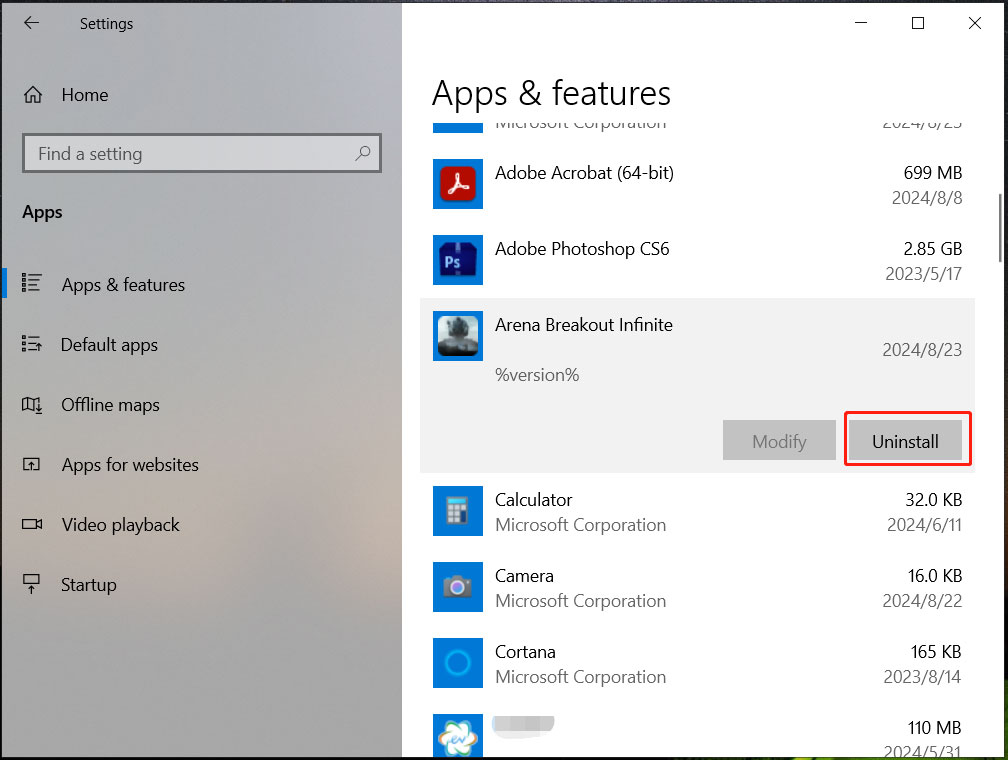
Alternatively, for any PC game, you can use the standard Windows "Apps & features" settings:
- Press the Windows key + I to open Settings.
- Click on Apps, then Apps & features.
- Scroll down or use the search bar to find the game.
- Click on the game, then select Uninstall.
- Follow any on-screen prompts.
This universal method works for most applications, including games installed outside of specific launchers, though the launcher-specific methods are generally preferred for their thoroughness within their ecosystems.
How to Delete Game Apps on PlayStation Consoles (PS5, PS4)?
Managing your game library on PlayStation consoles is straightforward, though slightly different between the PS4 and PS5. Given that many gamers still use both generations, it is useful to know both methods.
On PlayStation 5 (PS5):
- From the Home screen, navigate to the game you wish to delete.
- Press the Options button on your DualSense controller (the small button to the right of the touchpad).
- Select Delete from the menu.
- Confirm your choice.
For a more comprehensive view of your storage and to delete multiple games:
- Go to Settings (the cog icon).
- Select Storage.
- Choose Games and Apps.
- Here you will see a list of all installed games. Select the ones you want to delete and press Delete.
The PS5's internal SSD is incredibly fast but also finite. Deleting games regularly helps maintain optimal performance, especially if you download many of the large modern titles.
On PlayStation 4 (PS4):
- From the Home screen, highlight the game you want to remove.
- Press the Options button on your DualShock 4 controller.
- Select Delete from the side menu.
- Confirm the deletion.
Similar to the PS5, you can also manage storage via settings:
- Go to Settings.
- Select System Storage Management.
- Choose Applications.
- Select the games you want to delete and press Options, then Delete.
Remember, deleting a game from your console does not delete your game save data. These are usually stored separately or automatically backed up to the cloud if you have a PlayStation Plus subscription, a common feature utilized by busy gamers to avoid losing progress.
How to Delete Game Apps on Xbox Consoles (Series X/S, One)?
Xbox consoles also offer a simple process for uninstalling games. Whether you are on an Xbox One or the newer Series X/S, the steps are largely consistent.
For Xbox Series X/S and Xbox One:
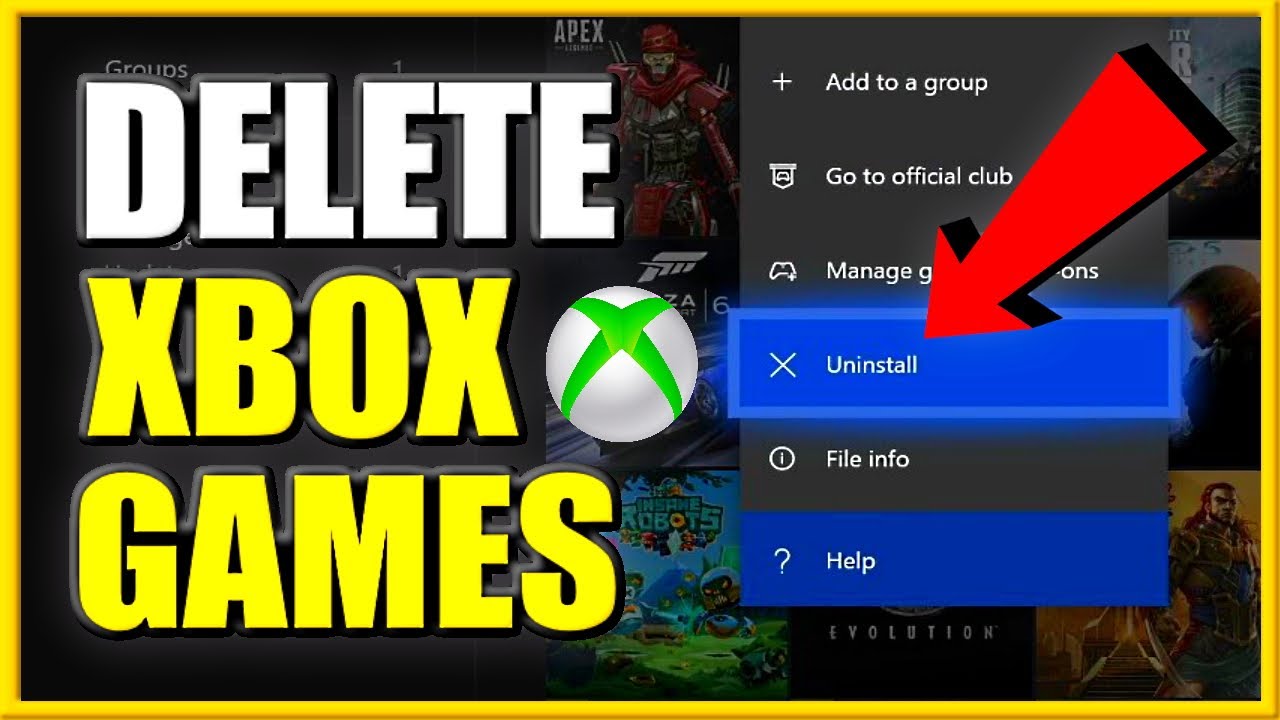
- From the Home screen, press the Xbox button on your controller to open the guide.
- Navigate to My games & apps, then select See all.
- Highlight the game you want to uninstall.
- Press the Menu button (the small button with three horizontal lines) on your controller.
- Select Uninstall game.
- Confirm your choice.
To view and manage your storage more broadly:
- Go to My games & apps, then See all.
- Select Manage from the left-hand menu.
- Choose Storage devices.
- Select the storage device (Internal or External) you want to manage.
- Highlight games or apps and select Uninstall.
Xbox consoles automatically back up your game saves to the cloud if you are connected to Xbox Live, so deleting a game will not erase your progress. This is a huge relief for gamers who often uninstall large titles to make space for new ones, knowing they can pick up right where they left off if they reinstall it later.
How to Delete Game Apps on Nintendo Switch?
The Nintendo Switch, a dominant portable console, often faces storage constraints, especially if you download many digital titles. Here is how to manage your game apps:
There are two primary ways to remove games from your Nintendo Switch: archiving and deleting. Archiving frees up space but keeps the game icon on your Home menu, allowing for easy re-download. Deleting removes the game and its icon entirely.
To Archive a Game (Recommended for temporary space-saving):
- From the Home menu, highlight the game you want to archive.
- Press the + (Plus) button on your Joy-Con.
- Select Manage Software.
- Choose Archive Software.
- Confirm your decision.
Archiving is fantastic for busy gamers who might rotate through titles but want the option to quickly redownload without hunting through the eShop. It is particularly useful for popular social games or comfort titles you return to often.
To Delete a Game (Full Removal):
- Go to System Settings from the Home menu (the cog icon).
- Scroll down and select Data Management.
- Choose Manage Software.
- Select the game you wish to delete from the list.
- Choose Delete Software.
- Confirm your decision.
Keep in mind that game save data on the Switch is generally stored separately from the game itself. When you archive or delete a game, your save data usually remains on the console's internal memory. However, for full peace of mind, ensure you have a Nintendo Switch Online subscription for cloud save backups, especially for your most cherished gaming moments. Cloud saves are a lifeline for the modern gamer, preventing loss of progress due to data management decisions or hardware issues.
How to Delete Game Apps on Mobile (Android, iOS)?
Mobile gaming continues its dominance, with over half of US gamers playing on their phones, making efficient app management crucial for everyday performance. Deleting game apps on mobile devices is usually quite simple and consistent across most modern smartphones.
On Android Devices:
There are a few ways to delete games on Android:
Method 1: From the Home Screen or App Drawer
- Find the game icon you want to delete on your home screen or within your app drawer.
- Tap and hold the game icon until a menu appears.
- Select Uninstall or drag the icon to an Uninstall option that appears.
- Confirm the uninstallation.
Method 2: Via Settings
- Open your device's Settings app.
- Tap on Apps or Apps & notifications (the exact wording may vary).
- Find and select the game you wish to delete from the list of installed apps.
- Tap Uninstall.
- Confirm the action.
Many Android devices also have a "Free up space" tool or "Storage" manager in settings that can help you identify large apps or games that can be uninstalled. This is a quick win for performance optimization on the go, especially for casual mobile gamers.
On iOS Devices (iPhone, iPad):
Deleting games on iOS is equally straightforward:
Method 1: From the Home Screen
- Find the game icon on your Home Screen.
- Tap and hold the icon until all app icons start to jiggle.
- Tap the minus (-) sign in the upper-left corner of the game icon.
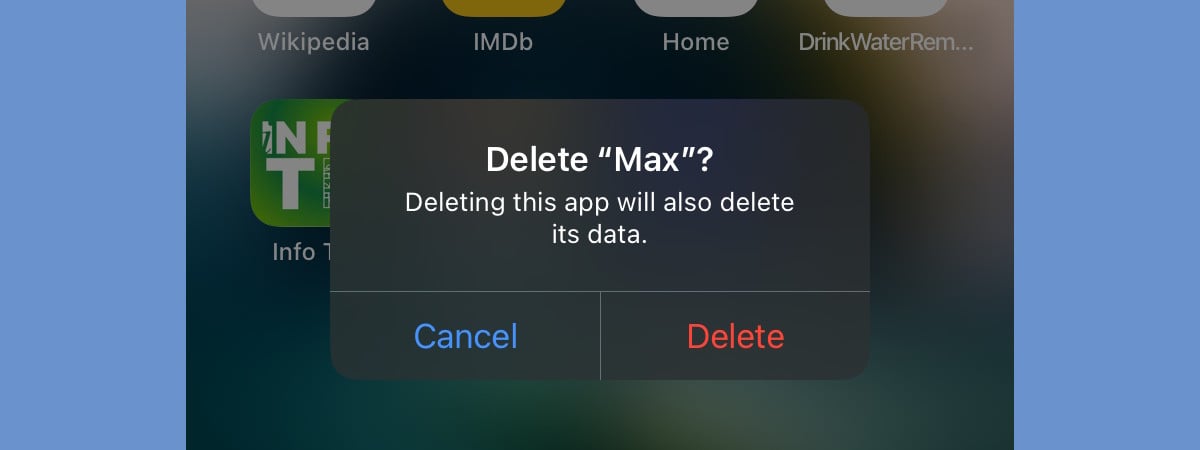
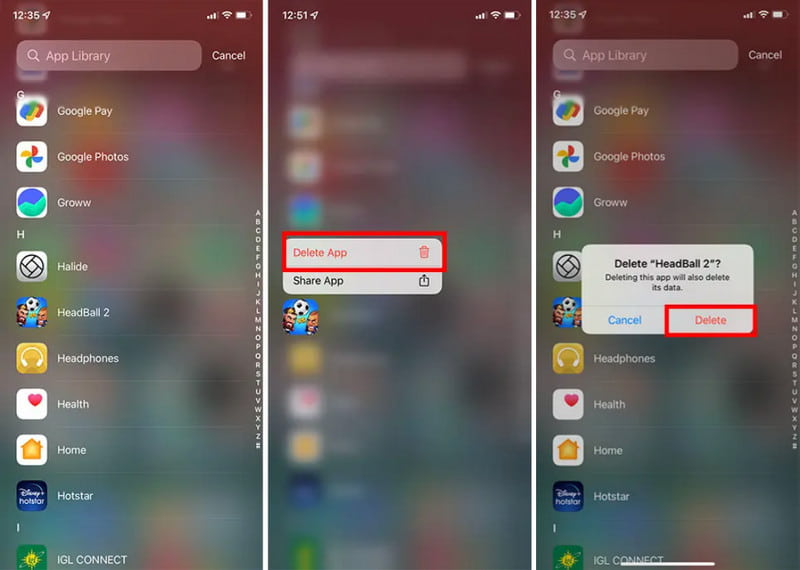
- Choose either Delete App (removes the app and all its data) or Offload App (removes the app but keeps its documents and data, allowing for quick re-download).
- Confirm your choice.
For gamers short on time, "Offload App" is a fantastic feature. It clears up space while preserving your game data, perfect for managing larger titles you might want to return to without losing progress or needing to re-sync data. It is a common strategy among those who play a mix of free-to-play and premium mobile experiences.
Method 2: Via Settings
- Open the Settings app.
- Tap General, then iPhone Storage (or iPad Storage).
- Scroll down to see a list of your apps and their storage usage.
- Tap on the game you want to delete.
- Select either Offload App or Delete App.
- Confirm your action.
Regularly clearing out old mobile games can dramatically improve your device's responsiveness and ensure you always have enough space for system updates, photos, or new social games that pop up on your radar.
What About Cloud Saves and Game Data? Will I Lose My Progress?
This is one of the biggest anxieties for any gamer considering hitting that "delete" button: the fear of losing precious save data. The good news is that for most modern platforms, your game progress is much safer than it used to be, thanks to ubiquitous cloud save features. Whether you are on PC, console, or mobile, platforms have robust systems in place to protect your hard-earned achievements.
- PC (Steam, Epic, Xbox App): Most major PC game launchers, like Steam and Epic Games, offer cloud save synchronization. As long as you have this feature enabled (it usually is by default), your save files will be uploaded to the cloud. When you reinstall the game, your progress will automatically download. For games without cloud saves, your save files are typically stored in your "Documents" folder or within the "AppData" folder (e.g., C:Users[Your Username]AppDataLocal or Roaming). If you are concerned, you can manually back up these folders before uninstalling.
- PlayStation (PS Plus): With an active PlayStation Plus subscription, your game saves are automatically backed up to the cloud. This means you can delete a game, reinstall it months later, and pick up right where you left off. Non-Plus members will have their saves stored locally on the console. Deleting the game itself does not delete the save data, but if you initialize your console or replace the hard drive, those local saves will be lost without a backup.
- Xbox (Xbox Live): All Xbox games automatically upload your save data to the Xbox Live cloud. This is a fantastic, seamless feature. You can delete games, even switch consoles, and your progress will sync as soon as you launch the game again, provided you are signed into your Xbox account.
- Nintendo Switch (Nintendo Switch Online): Similar to PlayStation, a Nintendo Switch Online subscription enables cloud save backups for most (but not all) games. Your save data remains on your console even if you archive or delete a game. However, for full peace of mind, especially for games that do not support cloud saves, it is crucial to manage your data carefully or ensure you have a subscription.
- Mobile (Android, iOS): Many mobile games link your progress to your Google Play Games account, Apple Game Center, or an in-game account system (like linking to Facebook or a dedicated game ID). As long as your game is linked, your progress should be safe. Always check the game's settings for "Cloud Save," "Link Account," or "Restore Purchase" options. If a game explicitly states local saves only, then deleting the app will likely delete your progress.
In short, for the vast majority of popular games today, deleting the app will NOT delete your game progress, thanks to integrated cloud save systems. Always double-check your platform's settings or the game's specific save mechanisms if you are playing a niche title or an older game.
How to Ensure All Game Files Are Gone, Not Just Shortcuts?
You have deleted the game, but what about those lingering files? Sometimes, uninstalling a game, especially on PC, can leave behind configuration files, empty folders, shader caches, or even remnants in your registry. While these usually do not take up significant space or harm your system, they can contribute to clutter over time. Ensuring a clean sweep helps maintain system integrity and performance.
For PC Users:
- Check Program Files and Documents: After uninstalling, manually navigate to the game's original installation directory (e.g., C:Program Files (x86)Steamsteamappscommon) and ensure the game's folder is gone. Also, check your "Documents" folder for any leftover game folders (e.g., My Games or specific game titles). Delete these manually if they persist.
- Clear AppData Folders: Many games store save files, configs, and temporary data in the AppData folder. This is a hidden folder, so you will need to enable "Show hidden files" in File Explorer's View options.
- Press Windows key + R, type %appdata% and press Enter to go to Roaming.
- Press Windows key + R, type %localappdata% and press Enter to go to Local.
- Registry Cleaner (Use with Caution): For advanced users, registry cleaners can identify and remove orphaned registry entries. However, using these tools incorrectly can destabilize your system. If you are not familiar, it is often best to skip this step, as residual registry entries typically have no performance impact.
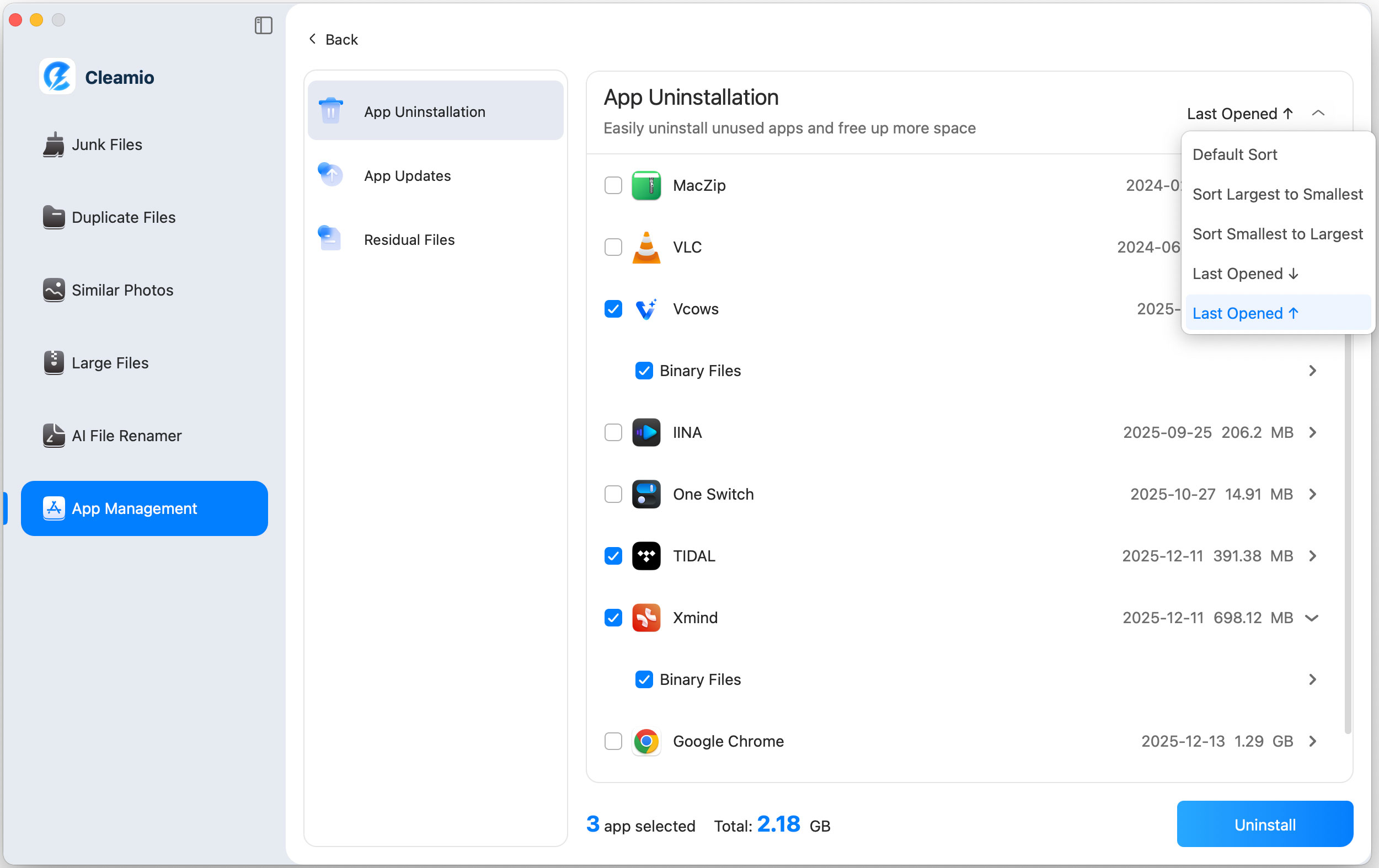
- Dedicated Uninstallers: Some third-party uninstaller software (e.g., Revo Uninstaller) can perform a deeper scan after a standard uninstall to catch leftover files and registry entries. These can be helpful for particularly stubborn games.
For console and mobile users, the default uninstallation methods are usually comprehensive enough. Consoles are closed systems, so deleting a game from the menu typically removes all associated data except cloud saves. Similarly, on mobile, "Delete App" usually cleans up everything associated with the application.
The goal here is not to be obsessive but to ensure that large chunks of data are truly gone. For the average gamer, a simple uninstall is usually sufficient, but knowing these extra steps can be empowering when dealing with persistent file remnants or storage concerns.
When is the Best Time to Delete Game Apps?
While you can delete game apps anytime, there are a few strategic moments that can make the process more impactful for your overall gaming experience and device performance. Thinking proactively about your game library can save you headaches down the line.
- Before a Major System or Game Update: Large updates often require significant free space, sometimes even exceeding the game's current installed size. Deleting old games before these updates roll out can prevent "low storage" warnings and ensure a smooth patching process, especially on consoles with finite internal storage. This is particularly relevant for popular titles that receive frequent, hefty updates.
- When a New AAA Title is Imminent: Gamers often anticipate big releases. If you know a massive game is coming that you absolutely want to play day one, clearing space beforehand can save you time and frustration. Instead of scrambling to uninstall games while your new download is pending, you will be ready to dive in immediately.
- During a "Digital Declutter" Session: Just like cleaning your physical space, a regular digital declutter can be incredibly refreshing. Set aside some time periodically (e.g., quarterly or biannually) to review your installed games. Ask yourself: "Have I played this in the last 6 months?" or "Do I genuinely plan to return to this?" This helps manage your game backlog and focuses your attention on games you truly enjoy.
- When Performance Drops: If your device feels sluggish, your load times are longer than usual, or you are experiencing frame rate drops even in less demanding games, it might be a sign that your storage is too full, or background processes are being taxed. Deleting some large, unused games can often be a quick fix to restore performance. This is especially true for mobile devices.
- After Completing a Game: Once you have rolled credits on a single-player experience, or if a multiplayer game has lost its appeal, it is often a good time to uninstall it. This keeps your library lean and ready for new adventures.
By being mindful of these timings, you can integrate game app deletion into your routine, making it a proactive step towards an optimized and enjoyable gaming environment.
Are There Any Risks to Deleting Game Apps?
For the most part, deleting game apps is a safe and routine process designed to manage your device's storage. However, there are a few minor considerations or "risks" you should be aware of, primarily centered around data loss or re-downloading time.
- Loss of Local Save Data (Rare but Possible): As discussed, most modern games use cloud saves. However, if a game does not support cloud saves, or if you have disabled the feature, deleting the game will permanently remove your local save files. Always verify the save mechanism for critical games before uninstalling, especially older or indie titles.
- Re-downloading Time and Data Caps: The biggest practical "risk" is the time and bandwidth required to re-download large games. If you frequently uninstall and reinstall games, this can quickly eat into data caps if you have them, and certainly consume your valuable gaming time. Consider external storage solutions for consoles or larger internal drives for PCs if this is a frequent concern.
- Loss of Screenshots/Videos: While game files are deleted, your captured screenshots and video clips are usually stored separately in your console's gallery or PC's Videos folder. However, some games might have specific internal galleries that delete with the game. If you have cherished gaming moments captured, ensure they are backed up or moved to a permanent storage location before deletion.
- Mod Data Loss (PC Specific): For PC gamers who use mods, simply uninstalling a game via Steam or the Windows settings will likely remove all mod-related files alongside the base game. If you plan to reinstall and re-mod, you might need to back up your mod manager profiles or specific mod files.
- Trouble with Stubborn Files: Occasionally, a game might not fully uninstall or leave behind stubborn files, requiring manual cleanup or a third-party uninstaller. While not a "risk" to your system, it can be an annoyance.
Overall, deleting game apps is a low-risk activity that provides significant benefits in terms of storage and performance. By being mindful of your save data and potential re-download times, you can confidently manage your game library.
Managing your digital game library is an essential skill for the modern gamer. We have covered everything from how to delete game apps across various platforms to understanding cloud saves and optimizing your storage. By regularly decluttering your devices, you ensure a smoother, more responsive gaming experience, always have room for new adventures, and keep your systems performing at their peak. Remember, your gaming experience should be about relaxation and fun, not storage anxiety. So go ahead, free up that space, and get back to what you love doing most: playing games!
What is your biggest gaming challenge when it comes to managing your digital library? Comment below and share your tips!
FAQ Section
How to quickly find large games to uninstall?
Most platforms offer a storage management utility within their settings that lists games by size. On PC, Windows Settings > Apps > Apps & features allows sorting by size. Consoles (PlayStation, Xbox, Switch) have dedicated storage management sections under System Settings to help you identify the biggest space hogs quickly.
Can I reinstall deleted games later?
Yes, absolutely! As long as you own the game (digitally or physically), you can always re-download or reinstall it from your platform's store, library, or by re-inserting the disc. Your purchase history and ownership are tied to your account, not the installed app.
Does deleting a game delete my account?
No, deleting a game app only removes the software from your device. Your gaming account (e.g., Steam, PlayStation Network, Xbox Live, Nintendo Account) and all associated purchases and progress (via cloud saves) remain intact and untouched.
What is "shader cache" and should I delete it?
Shader cache stores compiled graphics instructions to speed up game loading and performance. While not part of the core game, it can take up space. On PC, it is often safe to delete after uninstalling a game, or if you encounter graphical glitches, as the game will rebuild it. On consoles, it is managed internally.
How to delete game apps that won't uninstall?
On PC, try using the "Apps & features" in Windows Settings. If that fails, a third-party uninstaller like Revo Uninstaller can force-remove stubborn programs. For consoles/mobile, ensure no updates are pending or processes are running in the background. A full device restart can sometimes resolve temporary issues preventing uninstallation.
What's the difference between uninstalling and deleting?
In most contexts, "uninstalling" and "deleting" game apps mean the same thing: removing the software from your device. On iOS, "Offload App" is a specific option that removes the app itself but preserves its data, acting as a partial deletion to save space while retaining progress.
Will deleting game apps improve my internet speed?
Deleting installed game apps generally will not directly improve your internet speed. However, having fewer applications running in the background, especially those that might periodically check for updates or perform background synchronization, could free up a tiny bit of bandwidth. The primary benefits are storage and device performance.
Cross-platform game app deletion methods; Reclaiming storage space and boosting performance; Preventing leftover files and system clutter; Safe uninstallation practices for mobile PC and consoles; Optimizing your gaming library for efficiency; Protecting game save data with cloud solutions; Troubleshooting stubborn game uninstalls.
35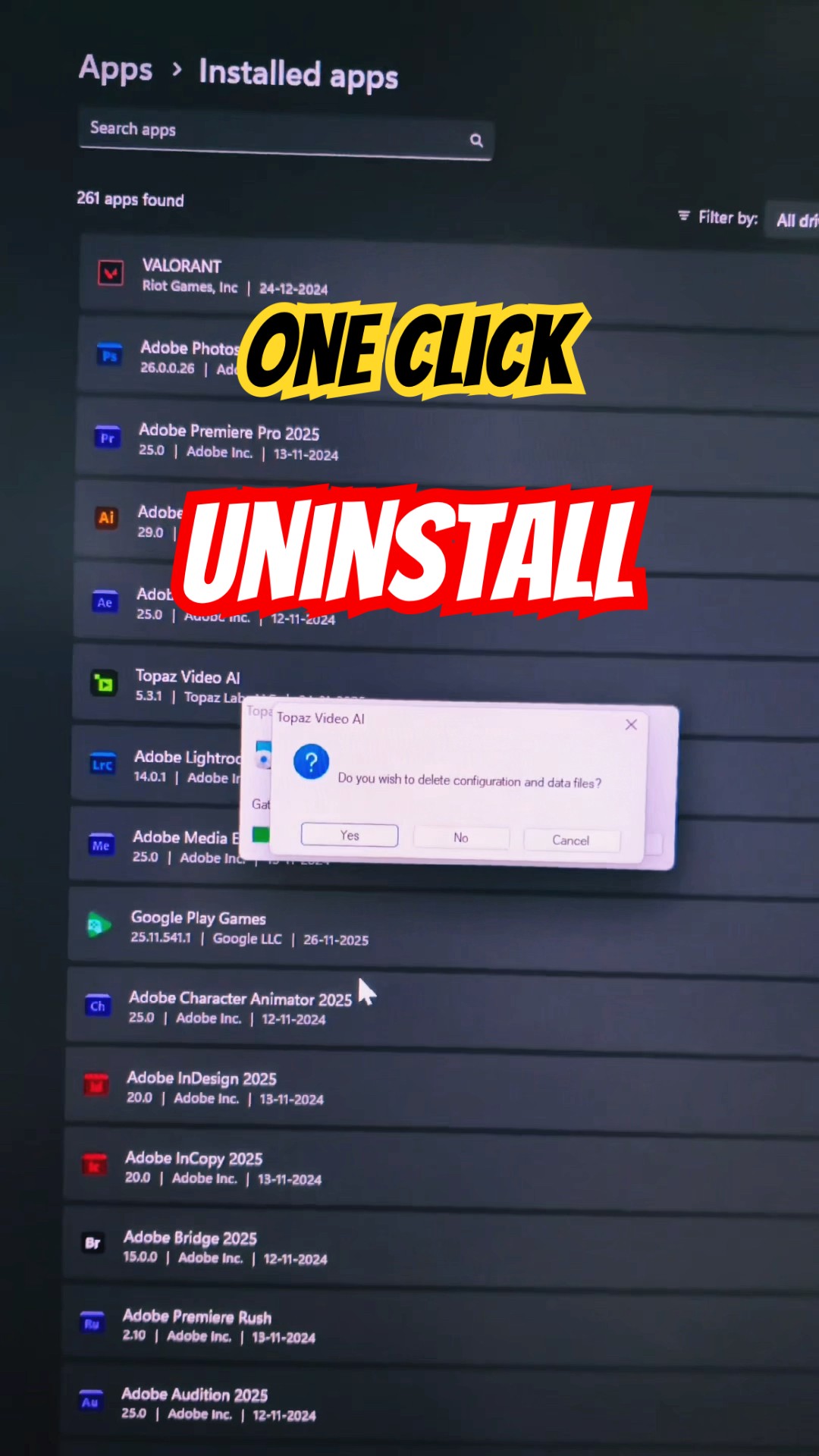


PC Laptop Se App Uninstall Kaise Kare 2026 How To Delete Software Oardefault . How To Delete Uninstall Games On PS5 2026 YouTube . How To Delete Games On Mac Free Up Space In 2026 Allthings How How To Uninstall Microsoft Store Games Image 1 1 759x609 . How To Delete Games On IPhone 2026 Step By Step Tutorial YouTube . How To Delete Games On PC Step By Step Guide Uninstall Settings How To Uninstall Games On Pc



How To Delete All Games On IPhone 2026 Step By Step Tutorial YouTube . How To Delete Games On PC Step By Step Guide Uninstall Start How To Uninstall Games On Pc . How To Uninstall Games On Windows 11 10 6 Options To Choose How To Uninstall Games 4 . HOW TO DELETE APPSAND GAMES FROM BLUESTACKS Quick And Easy YouTube . How To Delete Games On Mac Free Up Space In 2026



How To DELETE Games Apps For Xbox Console Easy Guide YouTube . Meta Quest 3 How To Delete Games Apps YouTube . How To DELETE GAMES On XBOX ONE Uninstall APPS Easy Method YouTube . How To Delete Games On IPhone YouTube . How To Play Zip File Games On Oculus Quest 2 At Jacob Mauldin Blog


Nintendo Switch OLED How To Delete Games Apps YouTube . How To Delete Games On Mac Free Up Space In 2026 . How To Delete Apps And Games In Bluestacks Easiest Way YouTube . How To Uninstall A Game From The Xbox App On Phone Free Up Storage . How To Delete App In BlueStacks 5 2026 Delete App Or Games From


How To Delete Games On Mac Free Up Space In 2026 Delete App With Finder . How To Delete Games On Mac Free Up Space In 2026 Delete Apps On Mac 3.webp. Supprimer Tous Les Jeux Sur Android Solutions Rapides Et Faciles Dr Fone How To Delete Games On Android 07 . How To Delete Games On Mac Free Up Space In 2026 . Delete Games From IPhone Tricks To Quickly Erase Game Data Cache Delete Games On Iphone


Step By Step Guide How To Delete Apps On Android And IOS Devices How To Delete Apps . How To Delete Apps On IPhone 2025 Step By Step Tutorial 165 . Apps Digital Citizen Ios Delete App . How To Delete Apps On Mac 2026 Complete Guide Select And Uninstall Apps On Mac . How To Uninstall Microsoft Store Apps In Windows 11 YouTube



How To Remove App From Game Center Full Guide YouTube . How To Delete A Game On Your Xbox From The Xbox Phone App Settings . How To Monetize Your App In 2026 A Guide For Mobile Game Development How To Make Money By Creating Apps 2026 Guide.webp. IPhone Delete App Home Screen Delete Games From Iphone . How To Delete Apps On Mac That Won T Delete 5 Fixes That Actually Works How To Delete Apps On Mac That Wont Delete